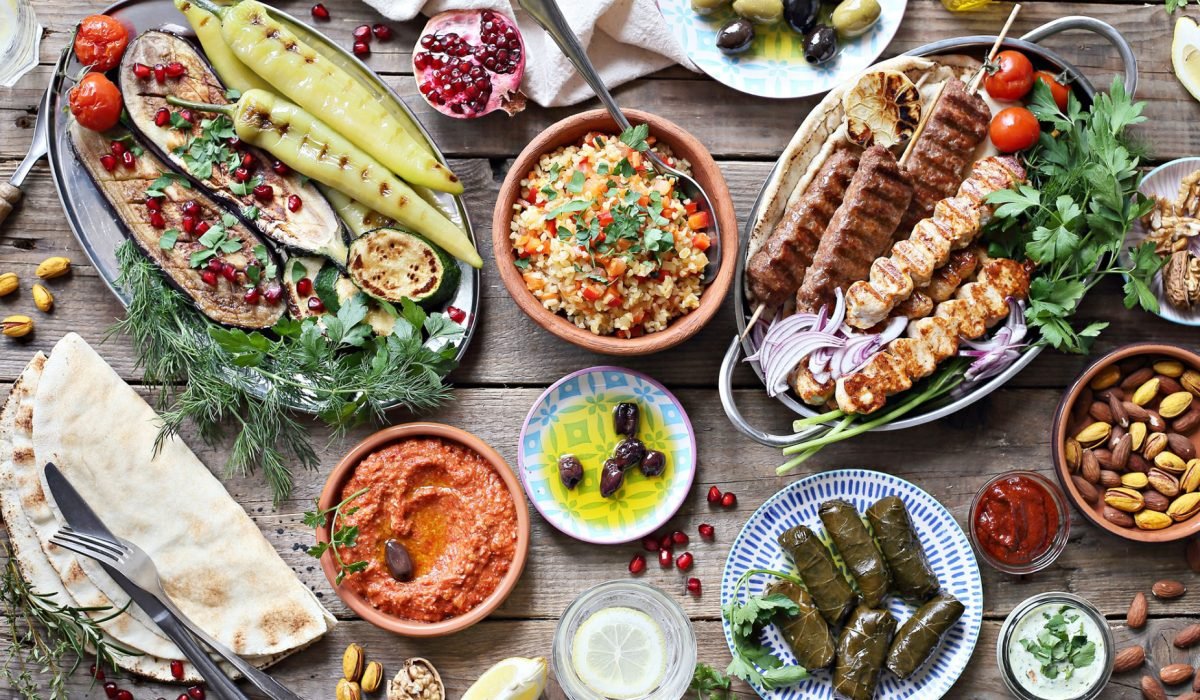
Imagine strolling through a sun-drenched olive grove in Crete, the air thick with the scent of fresh herbs and ripe tomatoes from a nearby market. That’s where my love for the Mediterranean diet began, on a trip years ago when I ditched my usual fast-food habits for simple meals shared with locals—grilled fish drizzled in olive oil, heaps of colorful veggies, and laughter over a glass of red wine. I came home feeling lighter, more energized, and honestly, a bit hooked. It’s not just a diet; it’s a way of life that’s been keeping people healthy for centuries. But why does it work so well? Let’s dive in and uncover the secrets behind its powerhouse reputation.
What is the Mediterranean Diet?
At its core, the Mediterranean diet draws from the eating habits of folks living around the Mediterranean Sea, like in Greece, Italy, and Spain. It’s less about strict rules and more about embracing whole, fresh foods that make meals feel like a celebration rather than a chore. Think vibrant salads, hearty grains, and the occasional sip of wine with friends—because who says healthy can’t be fun?
This approach emphasizes plant-based goodness while keeping things balanced. It’s been studied extensively since the 1960s, when researchers noticed lower rates of heart disease in these regions compared to places like the U.S. No calorie counting here; it’s about quality over quantity, making it sustainable for the long haul.
Key Components of the Mediterranean Diet
The diet’s magic lies in its everyday staples, which pack a nutritional punch without feeling restrictive. Fruits and vegetables take center stage, providing vitamins, minerals, and fiber that keep your body humming. Whole grains like barley and quinoa add satisfying bulk, while legumes such as chickpeas and lentils offer plant-powered protein.
Healthy fats are the unsung heroes—extra virgin olive oil replaces butter, and nuts like almonds provide a crunchy snack that’s far from boring. Fish and seafood appear a couple of times a week, dairy is moderate (hello, Greek yogurt), and red meat is saved for special occasions. Herbs and spices bring flavor without excess salt, and a modest glass of red wine can join the party if you choose.
This pyramid illustrates the balance perfectly, with plants at the base and indulgences at the tip.
Health Benefits of the Mediterranean Diet
Switching to this way of eating isn’t just about fitting into your favorite jeans—though that can happen too. It’s linked to a slew of benefits that touch every part of your health, from your heart to your brain. I remember my aunt, who struggled with high cholesterol for years, finally seeing numbers improve after incorporating more olive oil and veggies into her routine. It’s real-life proof that small changes add up.
Heart Health Advantages
One of the biggest wins? Protecting your ticker. The diet’s focus on unsaturated fats from olive oil and nuts helps lower bad cholesterol and blood pressure, reducing the risk of heart attacks and strokes. Omega-3s from fish like salmon fight inflammation, keeping arteries clear and flexible.
Studies show folks following it have up to 30% lower cardiovascular risk. It’s like giving your heart a daily spa treatment—minus the hefty bill.
Reducing Cancer Risk
Cancer prevention gets a boost too. All those antioxidants in fruits, veggies, and olive oil combat cell damage that can lead to tumors. Research points to lower rates of breast, colorectal, and prostate cancers among adherents.
The fiber from whole grains and legumes helps with digestion, potentially flushing out carcinogens. It’s not a cure-all, but stacking the odds in your favor feels empowering.
Managing Diabetes and Blood Sugar
For blood sugar control, this diet shines. High-fiber foods slow sugar absorption, preventing spikes that tire out your pancreas. Healthy fats improve insulin sensitivity, making it easier to manage or prevent type 2 diabetes.
In one study, participants saw better glucose levels than on low-fat diets. It’s a gentle approach that doesn’t leave you hangry.
Promoting Longevity and Healthy Aging
Want to add years to your life? This diet’s associated with longer lifespans, thanks to its anti-inflammatory effects. It supports brain health, potentially warding off Alzheimer’s and Parkinson’s.
The combo of nutrients fights oxidative stress, keeping cells youthful. My grandfather lived to 95 on a similar regimen—proof that good food can be the best medicine.
Mental Health and Mood Boost
Don’t overlook the brain benefits. The diet’s rich in omega-3s and antioxidants that may ease depression and anxiety. Folks report better cognitive function and sharper memory.
It’s like fuel for your mind—swapping processed junk for fresh fare can lift your spirits, as I noticed during my own switch.
Weight Management Without Deprivation
Shedding pounds feels effortless here. The emphasis on filling, nutrient-dense foods curbs overeating without strict portions. Healthy fats keep you satisfied, reducing cravings for sugary snacks.
Studies confirm modest weight loss over time, especially when paired with activity. It’s sustainable, not a crash course in misery.
Scientific Evidence Backing the Diet
The hype isn’t just anecdotal—science backs it up. The landmark PREDIMED trial followed over 7,000 people and found a 30% drop in heart events for those on the diet with extra olive oil or nuts. Meta-analyses echo this, linking it to lower mortality from all causes.
Harvard researchers highlight its role in reducing inflammation and improving endothelial function. Even the American Heart Association endorses it for cardiovascular perks. With decades of data, it’s no fad.
How to Get Started with the Mediterranean Diet
Ready to dip your toes in? Start small—swap butter for olive oil or add a salad to lunch. Stock your pantry with staples like canned beans, frozen fish, and a variety of nuts. For fresh produce, hit local farmers’ markets; they’re often cheaper and tastier.
Build meals around veggies, add protein like grilled chicken or tofu, and finish with fruit. Apps like MyFitnessPal can track progress, but don’t obsess. Remember, it’s about enjoyment, not perfection.
Here’s a sample weekly meal plan to inspire you.
Sample Breakfast Ideas
Kick off your day right. Try Greek yogurt topped with berries and a sprinkle of walnuts—creamy, tangy, and filling. Or avocado on whole-grain toast with a poached egg; it’s like a hug for your taste buds.
Smoothies with spinach, banana, and almond milk work for busy mornings. Keep it simple to avoid burnout.
Lunch Options for Busy Days
Midday meals should sustain you. A quinoa salad with cherry tomatoes, cucumber, feta, and olive oil dressing is quick and portable. Or tuna stuffed in whole-wheat pita with greens—omega-3s on the go.
Leftover grilled veggies with chickpeas make a hearty bowl. Variety keeps things exciting.
Dinner Recipes to Try
Evenings are for winding down. Grill salmon with asparagus and a side of couscous drizzled in lemon-tahini sauce. Or veggie stir-fry with tofu and brown rice—add herbs for that Mediterranean flair.
Pasta primavera loaded with seasonal produce feels indulgent but stays light. Experiment and find your favorites.
These visuals show how colorful and appealing meals can be.
Snack Suggestions
Snacks prevent hanger. A handful of almonds or olives satisfies without guilt. Apple slices with peanut butter or hummus and carrot sticks are easy grabs.
Fresh fruit like grapes or figs in season—nature’s candy, minus the crash.
Pros and Cons of the Mediterranean Diet
Like any lifestyle, it has ups and downs. Pros include delicious variety, proven health perks, and flexibility—no forbidden foods. It’s family-friendly and promotes social eating, which boosts happiness.
Cons? Fresh ingredients can cost more in some areas, and wine moderation requires discipline. If you’re used to processed foods, the shift might feel overwhelming at first. But the benefits far outweigh the hurdles.
Comparison to Other Popular Diets
How does it stack up? Versus keto, it’s less restrictive on carbs, focusing on whole grains over fat overload—better for long-term heart health. Paleo skips grains and dairy, but Mediterranean includes them for balanced nutrients.
Vegan diets align on plants but miss fish’s omega-3s; this one adds them wisely. Overall, it’s more sustainable than trendier options.
| Diet | Focus | Key Benefits | Drawbacks |
|---|---|---|---|
| Mediterranean | Plants, healthy fats, moderate protein | Heart health, longevity, flexibility | Potential higher cost for fresh foods |
| Keto | High fat, low carb | Quick weight loss | Nutrient deficiencies, hard to sustain |
| Vegan | Plant-only | Ethical, environmental | Risk of B12 shortage without supplements |
| Paleo | Whole foods, no processed | Anti-inflammatory | Excludes grains, dairy—may limit options |
This table highlights why Mediterranean often tops rankings.
People Also Ask
Drawing from common queries, here’s what folks wonder about.
What foods are included in the Mediterranean diet?
Primarily fruits, veggies, whole grains, legumes, nuts, olive oil, fish, and moderate dairy. Limit red meat and sweets.
Is the Mediterranean diet good for weight loss?
Yes, its filling foods promote gradual, sustainable loss without deprivation.
Can I drink alcohol on this diet?
Moderate red wine is okay—up to one glass daily for women, two for men—but it’s optional.
How does it differ from a typical American diet?
It swaps processed foods and saturated fats for fresh, plant-based options, leading to better health outcomes.
These meal collages capture the diet’s vibrant essence.
Where to Get Mediterranean Diet Resources
For guides, check sites like the Mayo Clinic or Harvard Health Publishing. Books such as “The Mediterranean Diet for Beginners” offer recipes. Apps like Lose It! have tailored plans.
Local co-ops or online grocers like Thrive Market stock essentials affordably. Community classes at YMCAs often teach cooking tips.
Best Tools for Following the Diet
Meal prep containers keep things organized—try glass sets from Amazon for freshness. A good olive oil dispenser prevents waste; brands like OXO work well.
Trackers like the Mediterranean Diet Score app assess adherence. For recipes, sites like EatingWell provide free ideas. Invest in a quality blender for smoothies—Vitamix is top-tier but budget options suffice.
FAQ
What makes the Mediterranean diet healthier than others?
Its balance of anti-inflammatory foods reduces chronic disease risk, backed by extensive research.
Can vegetarians follow this diet?
Absolutely—amp up legumes, nuts, and dairy or plant alternatives while skipping fish.
How quickly can I see benefits?
Some notice energy boosts in weeks, but heart and weight perks build over months with consistency.
Is it expensive?
Not necessarily—focus on seasonal produce and bulk grains to keep costs down.
Does it allow desserts?
Occasionally, like fruit-based treats or dark chocolate—moderation is key.
Wrapping up, the Mediterranean diet isn’t a quick fix; it’s a joyful path to better health. From my travels to everyday meals, it’s transformed how I eat and feel. Give it a try—you might just find yourself craving that olive grove vibe at home. For more, explore links to Mayo Clinic’s guide or Harvard’s practical tips. Your body will thank you.