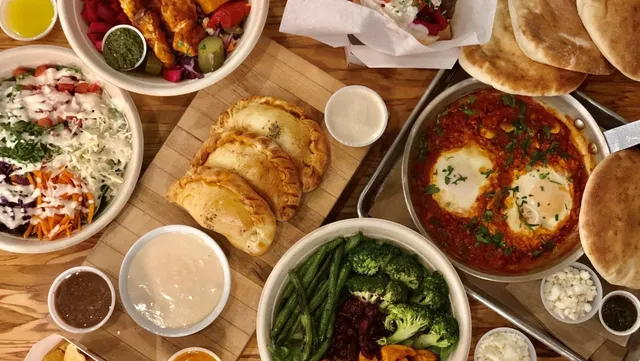
I still remember my first bite of moussaka on a sun-drenched terrace in Athens, the layers of eggplant and spiced meat melting together like a warm hug from the sea. That moment hooked me on Mediterranean cuisine, a world where simple ingredients tell stories of ancient trade routes and family gatherings. This isn’t just food—it’s a lifestyle born from the azure waters and fertile lands surrounding the Mediterranean Sea, blending flavors from Greece to Morocco in ways that feel both exotic and comforting.
What Defines Mediterranean Cuisine?
At its heart, Mediterranean cuisine revolves around fresh, seasonal ingredients that celebrate the region’s bountiful harvests and coastal bounty. It’s not a single style but a mosaic of influences from over 20 countries, united by a love for olive oil, grains, and herbs that make every meal feel vibrant and alive. Think of it as nature’s own symphony, where balance reigns supreme—no heavy sauces here, just pure, honest tastes that transport you to olive groves and bustling markets.
The Core Trilogy: Olive, Wheat, and Grape
These three pillars form the foundation of countless dishes, turning everyday meals into nourishing rituals. Olive oil drizzles over everything, wheat appears in breads and pastas, and grapes yield wines that pair perfectly with shared plates. Their simplicity belies a depth of flavor that’s sustained civilizations for millennia.
- Olive Oil: The golden elixir used for cooking, dressing, and even preserving—it’s heart-healthy and adds a fruity note to salads and roasts.
- Wheat: From fluffy pita to hearty couscous, it provides the backbone for staples that soak up flavorful sauces.
- Grape: Beyond wine, fresh grapes and vine leaves star in dishes like dolmades, offering a sweet-tart contrast.
Regional Variations That Add Spice to the Story
Mediterranean food shifts with the landscape—from the herb-infused grills of Greece to the spice-laden tagines of North Africa. These differences stem from history, like Ottoman influences in Turkey or Arab traders bringing new spices to Spain. Yet, they all emphasize communal eating, where meals stretch into evenings of laughter and lingering.
A Journey Through Iconic Traditional Dishes
Diving into Mediterranean dishes feels like flipping through a family album, each recipe whispering tales of resilience and joy. I’ve chased these flavors across borders, from street carts in Istanbul to home kitchens in Sicily, and they never fail to surprise with their versatility. Let’s explore some standouts, grouped by region, with tips on recreating them at home for that authentic touch.
Greek Classics: Where Simplicity Meets Boldness
Greece gifts us dishes that burst with lemon and oregano, evoking sun-soaked islands and ancient feasts. I once helped a grandmother in Crete stuff grape leaves, her hands moving like poetry—it’s moments like these that make Greek food feel eternal. These recipes rely on fresh herbs and minimal fuss, perfect for weeknight dinners or lazy weekends.
Moussaka: The Layered Masterpiece
This baked wonder layers eggplant, potatoes, and minced lamb under a creamy béchamel, baked until golden. Start by frying sliced eggplant, then simmer ground meat with tomatoes and cinnamon for that subtle warmth. Assemble and bake at 375°F for 45 minutes—serve with a crisp salad for balance.
Souvlaki: Grilled Perfection on a Stick
Tender pork or chicken marinated in olive oil, garlic, and oregano, skewered and grilled to smoky bliss. Marinate cubes overnight, thread with veggies, and grill over medium heat for 10 minutes, turning often. Wrap in pita with tzatziki for a handheld delight that screams summer.
Spanakopita: Flaky Spinach Pie
Phyllo dough encases a filling of spinach, feta, and dill, baked to crisp perfection. Sauté spinach with onions, mix in cheese and eggs, then layer with buttered phyllo sheets. Bake at 350°F for 30 minutes until flaky—it’s addictive, with a humorously green filling that kids might dub “monster pie.”
Italian Staples: Pasta and Beyond the Boot
Italian Mediterranean fare hugs the coast with seafood and tomatoes, a far cry from heavy northern sauces. On a rainy day in Naples, I learned pizza’s true essence from a pizzaiolo who swore by fresh mozzarella—it’s all about quality over quantity. These dishes invite experimentation, like swapping proteins for vegetarian twists.
Pizza Margherita: The Queen of Simplicity
A thin crust topped with tomato sauce, mozzarella, and basil, baked hot and fast. Knead dough from flour, yeast, and water; spread sauce from crushed San Marzano tomatoes; add cheese and bake at 500°F for 10 minutes. It’s so straightforward, yet chasing that perfect char becomes an obsession.
Spaghetti alle Vongole: Clams in Harmony
Pasta tossed with clams, garlic, white wine, and parsley for a briny, light meal. Sauté garlic in olive oil, add clams and wine to steam open, then mix with al dente spaghetti. Finish with chili flakes—pair with a chilled Vermentino for an emotional seaside escape.
Spanish Delights: Vibrant and Saffron-Infused
Spain’s Mediterranean side shines with rice and seafood, influenced by Moorish spices. I recall a paella party in Valencia where the host joked that the dish cooks itself while you sip sangria—true enough, as the flavors meld magically. These recipes scale up for crowds, making them ideal for gatherings.
Paella: The Communal Rice Feast
Rice simmered with saffron, chicken, seafood, and veggies in a wide pan. Toast rice in olive oil with onions and garlic, add stock and saffron, then proteins; cook uncovered for 20 minutes. The crispy socarrat bottom is the prize—don’t stir too much, or risk a soggy mess.
Gazpacho: Chilled Tomato Soup
Blended tomatoes, cucumbers, peppers, and garlic, served cold for refreshment. Puree ripe veggies with olive oil and vinegar, chill for hours. Garnish with croutons—it’s like drinking summer, with a tangy kick that wakes up your palate on hot days.
Turkish Treasures: Ottoman Echoes in Every Bite
Turkish dishes blend sweet and savory with nuts and spices, a legacy of empires. Wandering Istanbul’s bazaars, I fell for börek’s flaky layers, the vendor’s grin as wide as the Bosporus. Home versions use store-bought phyllo for ease, but the filling’s where you add your spin.
Börek: Flaky Pastry Parcels
Phyllo filled with cheese, spinach, or meat, baked or fried. Mix feta with herbs, layer in buttered sheets, roll and bake at 375°F for 25 minutes. Crispy outside, gooey inside—beware, they’re vanishingly good at parties.
Shish Kebab: Skewered and Spiced
Marinated lamb cubes grilled with veggies. Season meat with yogurt, paprika, and cumin; skewer and grill 8-10 minutes. Serve over rice—it’s straightforward, yet the char adds that irresistible smoky allure.
Levantine Favorites: Meze Magic from the East
The Levant offers meze spreads that turn snacking into art, with dips and salads galore. In Beirut, a friend’s hummus rivalry led to a blind taste test—mine lost, but I gained a killer recipe. These are shareable, encouraging lively debates over who makes the best tabbouleh.
Hummus: The Creamy Chickpea Dip
Blended chickpeas with tahini, lemon, and garlic. Boil dried chickpeas, puree with ingredients, top with olive oil. Smooth as silk—experiment with toppings like pine nuts for extra flair.
Tabbouleh: Herb-Packed Bulgur Salad
Fine bulgur mixed with heaps of parsley, mint, tomatoes, and lemon dressing. Soak bulgur, chop herbs finely, toss all together. It’s refreshingly green—joke that it’s salad’s sassy cousin, full of attitude.
Baba Ganoush: Smoky Eggplant Puree
Roasted eggplant blended with tahini and spices. Char eggplant over flame, scoop flesh, mix in. Velvety and addictive—great for dipping pita, with a campfire essence that lingers.
North African Wonders: Spice Routes on a Plate
North Africa’s tagines and couscous carry Berber and Arab influences, rich with warmth. A Moroccan tagine demo in Marrakech taught me patience—the slow simmer builds flavors like a good story. These dishes warm the soul, ideal for cooler evenings.
Tagine: Slow-Cooked Stew
Meat and veggies simmered with ras el hanout in a conical pot. Layer lamb, apricots, and almonds; cook low for 2 hours. Tender and aromatic—substitute chicken for a lighter take.
Couscous: Fluffy Grain with Stew
Steamed semolina topped with vegetable or meat stew. Fluff couscous with broth, pile on spiced veggies. Light yet filling—it’s the canvas for bold flavors, absorbing every drop.
Comparing Mediterranean Dishes Across Borders
Mediterranean cuisine loves variations on themes, like stews or stuffed leaves that adapt to local tastes. Here’s a table highlighting similarities and twists:
| Dish Type | Greek Version | Italian Version | Turkish Version | Levantine Version |
|---|---|---|---|---|
| Stuffed Leaves | Dolmades (rice, herbs in vine leaves) | Involtini (meat in cabbage) | Sarma (rice, meat in grape leaves) | Warak Enab (rice, lamb in grape leaves) |
| Meat Stew | Stifado (beef with onions) | Spezzatino (veal with veggies) | Tas Kebab (lamb with tomatoes) | Bamya (okra with lamb) |
| Eggplant Dish | Moussaka (layered bake) | Parmigiana (fried, baked) | Imam Bayildi (stuffed) | Mutabbal (pureed dip) |
These overlaps show cultural exchanges, yet each adds a unique spice—Greek leans lemony, Turkish nutty.
Pros and Cons of Embracing These Dishes
Pros: Heart-healthy with omega-3s from fish; versatile for vegetarians; promotes mindful eating through shared plates.
Cons: Olive oil can be pricey; some spices hard to source; prep time for layering or stuffing might deter busy cooks.
Health Benefits of Savoring Mediterranean Fare
What drew me deeper into this cuisine was discovering its wellness perks—after adopting more Med meals, my energy soared without the crash. Studies back this up, linking the diet to longevity and vitality. It’s not about restriction but abundance, turning food into medicine with every flavorful bite.
Heart Health and Beyond
Rich in monounsaturated fats from olive oil and nuts, these dishes lower bad cholesterol and reduce heart disease risk by up to 30%. Seafood like sardines provide omega-3s for better blood pressure. Even wine, in moderation, adds antioxidants—cheers to that!
Brain Boost and Disease Prevention
Antioxidants from veggies and fruits combat inflammation, slashing risks of diabetes and certain cancers. I’ve noticed sharper focus after tabbouleh-packed lunches—perhaps the herbs’ magic. It’s emotionally uplifting too, as communal meals foster connections that nourish the soul.
- Weight Management: High-fiber legumes keep you full, aiding natural portion control.
- Longevity: Regions like Crete boast centenarians thanks to this balanced approach.
- Mental Well-Being: Omega-3s and greens support mood, warding off blues with sunny flavors.
Where to Experience Authentic Mediterranean Flavors
Nothing beats dining in the region—picture a seaside taverna in Santorini or a riad in Fez. But closer to home, seek spots like Oleana in Cambridge for innovative twists or Ammatoli in Long Beach for Levantine authenticity. For global gems, try Aliada in New York or AVA MediterrAegean in Florida, where fresh ingredients shine.
Top Restaurants for Traditional Bites
In the US, head to Zaytinya in Washington D.C. for meze mastery or Zahav in Philadelphia for Israeli-inspired feasts. Internationally, Istanbul’s Çiya Sofrası offers Ottoman relics. Look for family-run places—they’re where recipes pass down like heirlooms.
Navigational Tips: Finding Gems Near You
Search for “authentic Mediterranean near me” or apps like Yelp for spots like Halal Eats in Fort Wayne. Ethnic markets stock ingredients for home trials—stock up on za’atar or harissa.
Bringing the Mediterranean to Your Kitchen
Recreating these at home is easier than you think—I started with basic hummus and graduated to full feasts. Stock your pantry with olive oil, herbs, and grains; tools like a tagine pot or grill pan elevate the experience. Here’s how to whip up three classics, with transactional nods to best tools.
Essential Tools for Home Cooks
A good mortar and pestle for grinding spices, or a food processor for dips. Invest in a paella pan for even cooking—brands like Lodge offer affordable options. For grilling souvlaki, a cast-iron skewer set works wonders.
Simple Recipes to Try Tonight
Homemade Falafel
Soak chickpeas overnight, blend with onions, herbs, and spices; form patties and fry until golden. Serve in pita with tahini—crispy outside, fluffy inside, for about 20 minutes total.
Classic Greek Salad (Horiatiki)
Chop tomatoes, cucumbers, onions, and olives; top with feta and oregano, drizzle olive oil and lemon. No lettuce needed—refreshing in 5 minutes, perfect side.
Moroccan Chicken Tagine
Brown chicken with onions, add apricots, chickpeas, and ras el hanout; simmer 45 minutes. Sweet-savory heaven—use a slow cooker for hands-off magic.
People Also Ask
Drawing from common queries, here’s insight into burning questions about this cuisine. These reflect real Google searches, like “What is traditional Mediterranean food?” or “What are 5 commonly eaten foods?”
What Is Traditional Mediterranean Food?
It’s plant-forward with olive oil, grains, and seafood, emphasizing fresh produce over processed items. Core dishes include salads, stews, and grilled meats, shared family-style for cultural connection.
What Are 5 Commonly Eaten Foods in the Mediterranean Diet?
Olive oil, tomatoes, fish, legumes like chickpeas, and whole grains such as bulgur top the list. They’re versatile, appearing in everything from dips to mains.
Is Mediterranean Food Healthy?
Absolutely—it’s linked to lower heart disease and better longevity through anti-inflammatory ingredients. Balance is key, with moderate wine and sweets adding joy without excess.
What Are Popular Mediterranean Dishes?
Standouts include paella, hummus, moussaka, and tabbouleh, varying by region but united by herbs and simplicity.
FAQ
How Can I Start Cooking Mediterranean Dishes at Home?
Begin with basics like salads or dips using pantry staples. Check resources like The Mediterranean Dish for recipes, or our internal guide [/recipes/mediterranean-basics].
What’s the Difference Between Mediterranean and Middle Eastern Cuisine?
Mediterranean spans Europe, Africa, and Asia with olive oil focus; Middle Eastern leans on spices like sumac. Overlaps exist, like in Levantine dishes—explore both for fusion fun.
Are There Vegetarian Options in Traditional Mediterranean Food?
Plenty! Think falafel, spanakopita, or ratatouille—veggies and legumes star, making it adaptable. See our veggie section [/recipes/vegetarian-mediterranean].
Why Is Olive Oil So Central to These Dishes?
It’s the healthy fat that binds flavors, used in cooking and dressings. For quality, try extra-virgin from sources like California Olive Ranch.
Can Mediterranean Cuisine Help with Weight Loss?
Yes, its high-fiber, low-processed nature promotes satiety. Combined with activity, it’s sustainable—consult a pro for personalized plans.
In wrapping up, Mediterranean cuisine isn’t just sustenance; it’s a portal to sunnier climes and warmer connections. Whether grilling souvlaki or blending hummus, each dish invites you to slow down and savor. I’ve shared my journeys here, hoping they inspire yours—after all, the best meals are those that linger in memory long after the last bite.