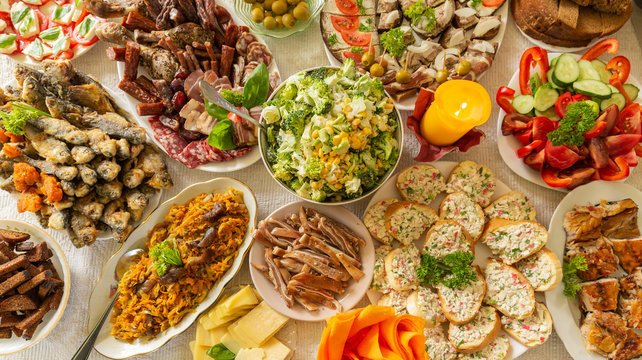
Picture this: It’s a crisp autumn afternoon in a small village outside Kyiv, and my grandmother is stirring a massive pot over an open fire. The air fills with the earthy scent of beets and dill, and she tells stories of how her own mother made the same soup during tough winters. That was my first real encounter with borscht, and it hooked me on the soul-warming world of Eastern European food. There’s something about these dishes—they’re not just meals; they’re like hugs from history, blending resilience with flavor in ways that make you feel connected to generations past. If you’ve ever wondered about the roots of these hearty classics or which ones to try first, you’re in the right spot. We’ll dive into the history, unpack the influences, and spotlight the top 12 dishes that define this vibrant culinary scene. Trust me, by the end, you’ll be craving a pierogi or two.
The Roots of Eastern European Cuisine
Eastern European cuisine stretches back centuries, born from a mix of survival and celebration in a region marked by harsh climates and shifting borders. From the Slavic tribes who relied on fermented foods to endure long winters, to the Ottoman invasions that introduced spices like paprika, this food tells a story of adaptation. Think of it as a patchwork quilt—each country adding its thread, from Poland’s potato-heavy staples to Russia’s love for rye breads. Over time, political upheavals like the Soviet era standardized some recipes, but family traditions kept the authenticity alive, turning simple ingredients into feasts that fostered community.
Key Influences Shaping the Flavors
Geography plays a starring role here, with vast plains and forests dictating what’s on the plate—think root vegetables from fertile soils and game from wooded areas. Cultural exchanges added layers: the Austro-Hungarian Empire brought refined techniques to stews like goulash, while Ottoman rule infused Balkan regions with stuffed leaves and kebabs. Religious practices, like Orthodox fasting, emphasized vegetarian options, leading to creative uses of grains and dairy. It’s this blend that makes the cuisine so robust, evolving through migrations and empires into the comforting dishes we know today.
Common Ingredients in Eastern European Cooking
No Eastern European kitchen is complete without a few staples that give these dishes their signature heartiness. Root vegetables like beets, potatoes, and carrots form the base, providing sustenance through cold months. Dairy shines bright—sour cream, yogurt, and cheeses add creaminess to everything from soups to dumplings. Grains such as rye, barley, and buckwheat appear in breads and porridges, offering that chewy, filling texture. Meats, often pork or beef, are smoked or cured for preservation, while herbs like dill, garlic, and paprika bring the punch. Fermentation is key too, turning cabbage into sauerkraut or cucumbers into pickles for that tangy twist.
- Root Vegetables: Beets for color and earthiness in soups; potatoes for versatility in pancakes or stews.
- Dairy Products: Sour cream as a topping; fresh cheeses in fillings.
- Grains: Rye bread for sandwiches; buckwheat in kasha side dishes.
- Meats and Fish: Smoked sausages like kielbasa; herring in salads.
- Herbs and Spices: Dill for freshness; paprika for warmth in Hungarian-inspired recipes.
The Top 12 Popular Dishes
These iconic dishes capture the essence of Eastern Europe—simple, flavorful, and tied to tradition. Each one has a tale, often passed down through families, and they’ve spread globally thanks to immigrants sharing their heritage. Let’s break them down one by one.
1. Borscht
This vibrant beet soup is like the ambassador of Eastern European fare, with its deep red hue and comforting broth. Originating in Ukraine, it’s simmered with beets, cabbage, and sometimes meat, topped with a dollop of sour cream for that creamy contrast. What makes it special? Its versatility—hot in winter, cold in summer—and the way it turns humble veggies into something nourishing. I once had a version in a Moscow café that felt like a warm embrace after a snowy walk; it’s no wonder it’s a staple at family gatherings.
2. Stuffed Cabbage Rolls (Holubtsi)
Imagine tender cabbage leaves wrapped around a savory mix of ground meat, rice, and spices, slow-cooked in tomato sauce until everything melds together. Hailing from Ukraine but with Ottoman roots (similar to sarma), these rolls are a labor of love, often prepared for holidays. Their appeal lies in the balance of textures—soft leaves, hearty filling—and that homey flavor that screams comfort. My aunt used to make them for Easter, adding a touch of dill that made the whole house smell divine.
3. Pierogi (Varenyky)
These half-moon dumplings are Poland and Ukraine’s gift to the world, stuffed with potatoes, cheese, or even fruit, then boiled and pan-fried for a crispy edge. Originating as a peasant food, they’ve become a symbol of resourcefulness, using whatever’s on hand. The magic is in the dough—thin and tender—and the endless fillings that keep things exciting. Picture biting into one fresh from the skillet, with onions caramelizing on top; it’s pure joy, especially when shared over laughs with friends.
4. Veal Goulash
A Hungarian classic that’s spread across the region, this stew features tender veal chunks in a paprika-rich gravy, slow-braised until melt-in-your-mouth soft. Influenced by the Austro-Hungarian Empire, it’s all about bold spices and hearty portions. What sets it apart? That smoky paprika kick paired with creamy sauce over noodles. I tried it in Budapest once, and it was like a flavor explosion—perfect for chasing away the blues on a rainy day.
5. Kielbasa
This smoked sausage from Poland is juicy, garlicky, and endlessly versatile—grilled, boiled, or added to stews. Made from pork or mixed meats, it’s cured with spices like marjoram for that distinctive taste. Its cultural punch comes from being a festival favorite, often paired with sauerkraut. Think of it as the ultimate street food; I grabbed one at a Warsaw market, and the smokiness lingered in the best way, making me feel like part of the local scene.
6. Potato Pancakes (Latkes)
Crispy on the outside, fluffy inside, these grated potato fritters are fried to golden perfection and served with sour cream or applesauce. With Jewish roots in Eastern Europe, they’re a Hanukkah staple but enjoyed year-round. The charm? That satisfying crunch and the way they transform basic spuds into something addictive. My first batch was at a family brunch—slightly burnt edges and all—and it sparked a lifelong love for this simple delight.
7. Pickled Vegetables
From cucumbers to beets, these fermented gems add zing to any meal, cutting through richness with their tangy bite. A preservation technique born from necessity in cold climates, they’re now a beloved side. Unique for their probiotic punch and versatility—in salads or as snacks. I remember munching on garlic pickles during a long train ride through Romania; they were the perfect, refreshing companion.
8. Medovyk
Layers of honey-infused sponge cake slathered with creamy frosting make this dessert a showstopper, often saved for special occasions. Russian and Ukrainian in origin, it’s all about that subtle sweetness from honey. What makes it stand out? The time-intensive layering that results in a moist, decadent treat. At a wedding I attended, it stole the show—light humor when someone joked it was “sweeter than the bride’s smile.”
9. Chicken Paprikash
Hungarian comfort at its finest: chicken simmered in a creamy paprika sauce, served over egg noodles. The paprika gives it that warm, earthy depth, influenced by regional spices. It’s special for its simplicity—home cooks vary it endlessly. I cooked it once for friends, and the aroma drew neighbors over; it’s food that builds bonds.
10. Beef Stroganoff
Tender beef strips with mushrooms and onions in a sour cream sauce, this Russian dish has gone global but shines in its origins. Named after a noble family, it’s elegant yet easy. The creaminess elevates it, perfect over rice or noodles. Trying it in St. Petersburg felt historical, like dining with tsars—minus the opulence, plus pure flavor.
11. Sauerkraut
Fermented cabbage that’s sour, crunchy, and essential for balancing heavy meals. German-influenced but ubiquitous in the region, it’s packed with vitamins from long winters. Unique for its health benefits and role in dishes like bigos. I added it to a stew once, and it transformed the ordinary into extraordinary— a little tang goes a long way.
12. Kolaczki Cookies
Flaky pastries filled with fruit preserves or cheese, dusted with sugar—these Polish treats are festive bites. With roots in holiday baking, they’re delicate and addictive. Their charm? That buttery dough and sweet surprise inside. Baking them with my mom brought back childhood memories, complete with powdered sugar mishaps and giggles.
Comparing Eastern European Dishes Across Countries
Eastern European cuisine varies by country, but themes of heartiness unite them. Here’s a quick table to highlight differences:
| Dish | Country of Origin | Key Ingredients | Unique Twist |
|---|---|---|---|
| Borscht | Ukraine/Russia | Beets, cabbage, sour cream | Vegetarian versions in fasting periods |
| Pierogi | Poland/Ukraine | Dough, potatoes, cheese | Sweet fruit fillings for dessert |
| Goulash | Hungary | Beef/veal, paprika, onions | Thicker stew in Czech variations |
| Stuffed Cabbage | Various (e.g., Romania as Sarmale) | Cabbage, meat, rice | Balkan spice blends from Ottoman influence |
| Kielbasa | Poland | Pork, garlic, marjoram | Smoked vs. fresh styles in Slovakia |
This comparison shows how borders blur flavors—Hungarian paprika spices up Polish stews, while Ukrainian dumplings inspire Russian pelmeni. It’s a testament to shared history.
Pros and Cons of the Eastern European Diet
Like any cuisine, this one has its ups and downs, rooted in its hearty nature.
Pros:
- Nutrient-dense: Root veggies and fermented foods boost vitamins and gut health.
- Economical: Uses affordable, seasonal ingredients, reducing waste.
- Comforting: High in carbs and proteins for energy in cold climates.
- Versatile: Adaptable for vegetarian twists, like meat-free borscht.
Cons:
- High in fats: Heavy use of sour cream and meats can be calorie-dense.
- Sodium levels: Pickles and cured meats might not suit low-salt diets.
- Limited variety in winters: Relies on preserved foods, potentially lacking fresh greens.
- Preparation time: Many dishes involve slow cooking or fermentation.
Overall, it’s balanced when moderated—think of it as fuel for life’s adventures, with a side of indulgence.
Where to Experience Authentic Eastern European Food
Craving the real deal? Head to iconic spots like Veselka in New York for Ukrainian classics, or Warsaw’s milk bars for affordable pierogi. In Europe, Budapest’s Central Market offers fresh goulash ingredients, while Moscow’s markets serve up borscht. For a home feel, check local delis or festivals—nothing beats a Polish street fair. Online, sites like TasteAtlas map out gems.
Best Tools for Making Eastern European Dishes at Home
Ready to cook? Stock up on essentials like a heavy Dutch oven for stews ($50–$200 on Amazon) or a mandoline slicer for perfect potato pancakes ($20–$40). For dumplings, a pierogi maker mold simplifies shaping ($10). Fermentation jars are key for sauerkraut ($15/set). Brands like Lodge for cast iron or OXO for gadgets ensure authenticity without breaking the bank.
People Also Ask
Based on common queries, here are answers to what folks often wonder about this cuisine.
What is Eastern European cuisine known for?
It’s famous for hearty, comforting dishes using root vegetables, fermented foods, and meats, influenced by climate and history—think soups and stews that warm you from the inside.
How has Eastern European cuisine evolved?
From medieval peasant foods to post-Soviet revivals, it’s adapted through empires and migrations, incorporating spices while preserving traditions like pickling for long winters.
What are the main influences on Eastern European food?
Geography (cold climates favoring preservation), cultures (Ottoman spices, Slavic grains), and history (economic revivals post-turmoil) shape its meaty, rooty profile.
What makes Eastern European dishes unique?
Their balance of simple ingredients with bold flavors, like tangy ferments cutting rich meats, plus cultural ties to family and seasons, set them apart.
FAQ
Q: Is Eastern European food healthy?
A: It can be, with veggies and probiotics from ferments, but watch portions due to fats and sodium. Balance with fresh salads for a nutritious twist.
Q: What’s the difference between Russian and Polish cuisine?
A: Russian leans toward rye and fish, while Polish emphasizes sausages and dumplings—both share Slavic roots but vary in spices and preparations.
Q: Can I make these dishes vegetarian?
A: Absolutely! Swap meat in borscht or stuffed rolls for mushrooms or lentils; many recipes are naturally adaptable.
Q: Where did borscht originate?
A: In Ukraine, though versions exist across the region—it’s a shared heritage with regional tweaks.
Q: How do I start cooking Eastern European food?
A: Begin with basics like pierogi; use online recipes from sites like Serious Eats and build from there.
In wrapping up, Eastern European cuisine isn’t just about filling your belly—it’s a journey through time, with each bite echoing stories of resilience and joy. Whether you’re simmering borscht or folding pierogi, these dishes invite you to connect with a rich heritage. Give one a try; you might just find a new favorite that feels like home.