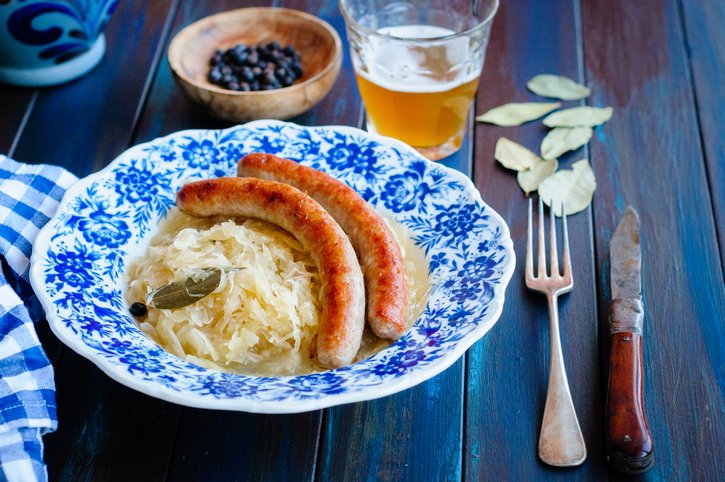
Picture this: you’re wandering through the misty Alps, the air crisp with pine and a hint of woodsmoke, and suddenly the aroma of roasting pork and fresh pretzels hits you like a warm hug from an old friend. That’s Bavarian cuisine in a nutshell—hearty, comforting, and steeped in centuries of tradition. It’s not just food; it’s a story of farmers, brewers, and families gathering around tables laden with dishes that have sustained generations through harsh winters and joyful festivals. Whether you’re a traveler dreaming of Oktoberfest or someone curious about what makes German food so soul-satisfying, this deep dive into Bavarian eats will leave you hungry for more.
The Roots of Bavarian Flavors
Bavarian cuisine traces its origins back to medieval times, when rural life shaped simple yet robust meals from local farms and forests. Influences from neighboring Czech and Austrian regions blended in, creating a style that’s all about maximizing hearty ingredients like pork, cabbage, and grains. Think of it as the culinary equivalent of a cozy cabin—practical, warming, and built to last. Over time, royal courts refined these dishes, but the essence remains tied to Bavaria’s agricultural heartland, where beer and bread became staples thanks to the famous 1516 Purity Law.
I once chatted with a Munich local who swore his grandmother’s recipes came straight from those old ducal kitchens. It’s that kind of personal hand-me-down that keeps Bavarian food feeling alive, not just historical.
Iconic Traditional Dishes
Bavarian dishes are like old family heirlooms—passed down with pride and savored on special occasions. They’re often meat-heavy, paired with tangy sides and washed down with a frothy beer. From breakfast sausages to evening roasts, these classics showcase the region’s love for bold flavors and generous portions. Let’s break down some must-tries that define what it means to eat like a true Bavarian.
Weißwurst: The Morning Ritual
Weißwurst, those pale veal sausages seasoned with parsley and lemon, are a Bavarian breakfast icon, traditionally eaten before noon to ensure freshness.
Served with soft pretzels and sweet mustard, they’re poached gently and “sucked” from their casings—yes, there’s a technique to it! This dish reminds me of lazy mornings in a beer garden, where the simplicity hits just right.
- Key Ingredients: Veal, pork back bacon, fresh herbs.
- Pairing Tip: Always with a wheat beer for that authentic kick.
- Fun Fact: Invented in Munich in 1857, it’s protected by EU law as a regional specialty.
Schweinshaxe: The Crispy Showstopper
Nothing screams Bavaria like Schweinshaxe, a massive pork knuckle roasted until the skin crackles like autumn leaves underfoot.
Slow-cooked in beer and spices, it’s tender inside with that irresistible crunch. I tried it at Oktoberfest once, and let’s just say, sharing one with friends turned into a hilarious battle over the last bite—pure joy.
Often accompanied by sauerkraut and potato dumplings, this dish embodies the region’s love for pork, which has been a staple since medieval farms supplied the courts.
Obatzda: The Cheesy Companion
Obatzda is a creamy cheese spread made from Camembert, butter, and paprika, perfect for slathering on bread or pretzels.
It’s got a tangy kick that pairs beautifully with radishes or onions. Picture a picnic in the Bavarian countryside; this was my go-to snack during a hike, and it felt like comfort food wrapped in tradition.
Born from resourceful innkeepers mixing leftover cheese, it’s now a protected Bavarian specialty, highlighting the area’s dairy heritage.
Käsespätzle: Noodles with Soul
Käsespätzle are homemade egg noodles smothered in melted cheese and topped with fried onions—a vegetarian delight in a meat-loving land.
Chewy and gooey, it’s like mac and cheese’s sophisticated cousin. On a chilly evening in the Alps, this dish warmed me from the inside out, evoking memories of family dinners where everyone fought for seconds.
Swabian influences shine here, with variations using Emmental or Gruyère for that perfect melt.
Brezel: The Twisted Classic
The humble Brezel, or pretzel, is Bavaria’s everyday hero—crispy outside, soft inside, sprinkled with coarse salt.
Dipped in lye for its signature shine, it’s a snack that’s been around since the Middle Ages. I recall grabbing one fresh from a bakery in Nuremberg; that first bite was pure bliss, simple yet unforgettable.
Bavarian bakers guard their recipes fiercely, and it’s no wonder—it’s the perfect beer companion.
Schweinebraten: Roast Perfection
Schweinebraten is succulent pork roast marinated in beer and spices, served with a dark gravy that’s liquid gold. Crispy crackling on top, it’s often flanked by cabbage salad and dumplings. During a family gathering in Franconia, this dish brought everyone together, its aromas filling the room like a warm welcome.
A staple in beer halls, it reflects Bavaria’s brewing culture intertwined with its food.
Comparing Bavarian Staples
Bavarian cuisine isn’t one-note; each dish has its place, from quick snacks to feast-worthy mains. Here’s a handy table to compare some icons:
| Dish | Main Ingredient | Typical Meal Time | Calorie Level | Vegetarian-Friendly? |
|---|---|---|---|---|
| Weißwurst | Veal | Breakfast | Medium | No |
| Schweinshaxe | Pork Knuckle | Dinner | High | No |
| Obatzda | Cheese | Snack | Medium | Yes |
| Käsespätzle | Noodles/Cheese | Lunch/Dinner | High | Yes |
| Brezel | Dough | Anytime | Low | Yes |
| Schweinebraten | Pork Loin | Dinner | High | No |
This comparison shows how versatile Bavarian food can be—something for every mood and diet, though meat lovers reign supreme.
Pros and Cons of Bavarian Eating
Like any cuisine, Bavarian fare has its ups and downs. On the plus side, it’s incredibly satisfying, using fresh, local ingredients that pack flavor without fancy tricks. The communal aspect—sharing platters in beer gardens—builds connections, and it’s budget-friendly for hearty portions.
But it’s not all rosy; the heaviness can feel overwhelming if you’re not used to it, especially in summer. High calories mean it’s not ideal for light eaters, and vegetarians might need to hunt for options beyond cheese and dumplings. Still, the pros outweigh the cons for that authentic taste of tradition.
- Pros: Hearty and flavorful; promotes social dining; rooted in sustainable farming.
- Cons: Can be heavy on the stomach; limited vegan choices; beer-centric pairings might not suit everyone.
Where to Experience Authentic Bavarian Cuisine
If you’re in Munich, head to Hofbräuhaus for the ultimate beer hall vibe—think live music and massive portions of Schweinshaxe. For a quieter spot, try Augustiner-Keller, one of the oldest gardens. Outside the city, Nuremberg’s bratwurst houses like Bratwursthäusle offer regional twists. In the Alps, cozy inns in places like Garmisch-Partenkirchen serve fresh mountain cheese and game.
For travelers, book a food tour via sites like GetYourGuide.com (external link) or explore local markets like Viktualienmarkt for ingredients to take home.
Best Tools for Cooking Bavarian at Home
Recreating Bavarian magic in your kitchen? Start with a good spaetzle maker for those noodles—brands like Norpro are affordable and easy (transactional: available on Amazon). A heavy Dutch oven is key for roasts, with Le Creuset being top-tier but Lodge offering budget options. Don’t forget a pretzel baking kit for fun experiments.
For beginners, invest in a beer stein set to capture the spirit—practical and thematic.
Simple Weißwurst Recipe
Want to try your hand at Weißwurst? Boil veal sausages in salted water with onions and bay leaves for 10 minutes. Serve with pretzels and mustard. Pro tip: Never boil too hot, or they’ll burst!
Homemade Obatzda
Mash ripe Camembert with butter, add paprika, caraway, and a splash of beer. Chill and spread on rye bread. It’s that easy, and tastes like Bavaria in every bite.
People Also Ask
Based on common searches, here are real questions folks have about Bavarian cuisine, straight from Google trends.
What is the most famous Bavarian dish?
Schweinshaxe takes the crown, known for its crispy skin and tender meat, often synonymous with Oktoberfest feasts.
How does Bavarian food differ from other German cuisines?
It’s heartier and more beer-influenced than northern styles, with stronger Austrian ties, focusing on pork and dumplings over seafood or lighter fares.
Is Bavarian cuisine vegetarian-friendly?
Not primarily, but options like Käsespätzle and Obatzda shine, and modern spots are adapting with veggie twists.
What’s the role of beer in Bavarian meals?
Beer isn’t just a drink; it’s an ingredient in marinades and sauces, thanks to the 1516 Reinheitsgebot purity law.
FAQ
What defines traditional Bavarian cuisine?
It’s all about hearty, rural-inspired dishes using local meats, cheeses, and grains, often paired with beer. Think pork roasts, sausages, and dumplings that reflect centuries of agricultural life.
Where can I find the best Bavarian food in Germany?
Munich’s beer halls like Hofbräuhaus or Viktualienmarkt are prime spots. For authenticity, visit smaller towns in Franconia or the Allgäu region.
How can I make Bavarian dishes healthier?
Swap heavy creams for lighter alternatives, add more veggies like sauerkraut, and grill instead of frying. Portion control helps too!
Are there sweet Bavarian treats?
Absolutely—try Dampfnudeln (steamed buns) or Apfelstrudel. They’re less famous than savory items but equally traditional.
Why is pork so prominent in Bavarian food?
Historical farming practices favored pigs, and the region’s climate suited curing and roasting methods that preserved meat through winters.
Bavarian cuisine isn’t just sustenance; it’s a celebration of life’s simple pleasures. From the first bite of a warm pretzel to the last sip of beer gravy, these dishes connect us to a rich past while inviting us to create new memories. Next time you’re craving comfort, channel your inner Bavarian—grab some ingredients and cook up a storm. Who knows, it might just become your new tradition.