Picture this: you’re wandering through a misty alpine village, the air crisp with the scent of fresh pretzels and pine, while distant cowbells chime like a soundtrack to your adventure. That’s Bavaria for you—a place where hearty meals fuel epic explorations, from fairy-tale castles to bustling beer halls. In this guide, we’ll dive deep into the flavors and sights that make Bavaria unforgettable, blending culinary delights with travel gems that capture its soul.
Discovering Bavarian Cuisine
Bavarian food isn’t just sustenance; it’s a celebration of the region’s rugged landscapes and farming roots, emphasizing meats, dairy, and seasonal produce that warm you from the inside out. Think dishes born from alpine winters, where every bite tells a story of tradition passed down through generations. It’s hearty, flavorful, and pairs perfectly with a cold beer—after all, this is where purity laws for brewing began centuries ago.
What Makes Bavarian Cuisine Unique?
Unlike lighter northern German fare with its focus on seafood and potatoes, Bavarian cuisine leans into rich, meat-heavy meals influenced by the Alps and fertile valleys. It’s all about bold flavors like smoked cheeses and tangy sauerkraut, rooted in Catholic fasting traditions that birthed inventions like the white sausage. This sets it apart, offering comfort food that’s both rustic and refined, with a nod to neighboring Austrian and Czech influences.
Iconic Dishes You Must Try
No trip to Bavaria is complete without sampling classics that define the region’s palate. These aren’t fancy fusion plates but honest, soul-satisfying eats that locals swear by. From street stalls to cozy inns, they’re everywhere, often enjoyed family-style with laughter and clinking mugs.
- Weisswurst: Mild veal sausages boiled and served with sweet mustard and pretzels—eat them before noon, as tradition dictates, or risk a faux pas.
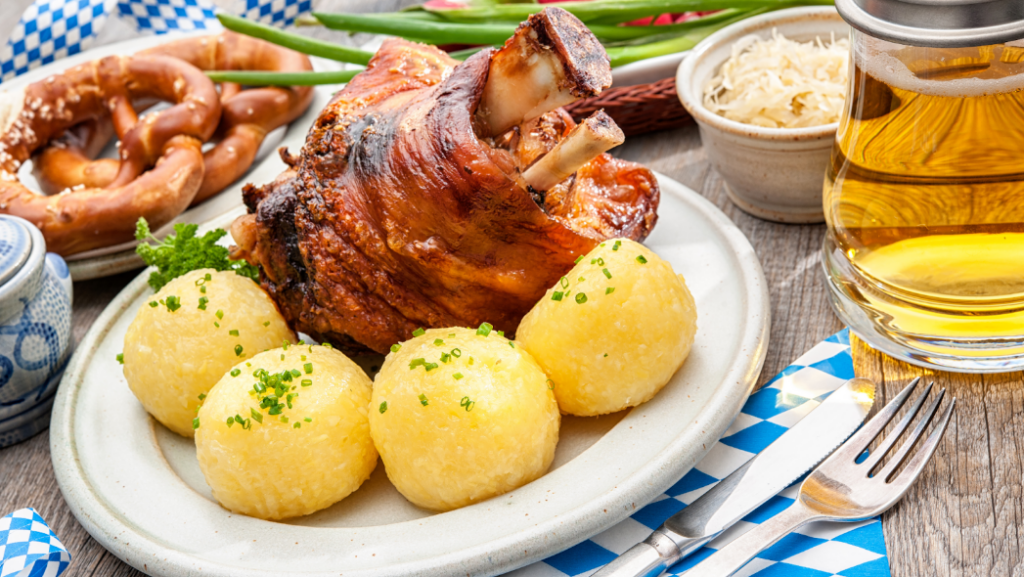
- Schweinshaxe: Crispy roasted pork knuckle with crackling skin, tender meat, and gravy; it’s like a hug from a Bavarian grandma.
- Obatzda: A creamy cheese spread with camembert, onions, and paprika—perfect smeared on bread in a beer garden.
- Käsespätzle: Cheesy egg noodles topped with fried onions, Bavaria’s answer to mac and cheese but way more indulgent.
- Knödel: Dumplings made from bread or potatoes, soaking up sauces like pros—try them with roast pork for ultimate comfort.
Beer: The Liquid Heart of Bavarian Culture
Bavaria’s beer isn’t just a drink; it’s a cultural cornerstone, governed by the 1516 Reinheitsgebot law ensuring only water, hops, and barley go in. Breweries dot the landscape, from Munich’s massive halls to tiny village spots, where monks first perfected the craft. Sipping a frothy Maß while chatting with locals feels like stepping into history—pro tip: pair it with hearty snacks to keep the good times rolling.
Pros and Cons of Bavarian Beer Tasting Tours
Pros: Immersive cultural experience, variety of brews like Helles or Dunkel, often includes food pairings and scenic brewery visits.
Cons: Can get crowded in peak season, alcohol content sneaks up on you, not ideal for non-drinkers or families with kids.
Comparing Bavarian Cuisine to Other German Regions
Bavarian food stands out for its alpine heartiness compared to the seafood-focused north or Rhine Valley’s wine-infused lightness. While Berlin might offer currywurst street eats, Bavaria’s emphasis on sausages like Nürnberger Bratwurst comes with a side of tradition—smaller, spicier, and grilled over beechwood. It’s less about fusion and more about timeless recipes, making it feel like a warm family meal versus urban quick bites.
| Aspect | Bavarian Cuisine | Northern German Cuisine | Rhine Valley Cuisine |
|---|---|---|---|
| Key Ingredients | Meats, dumplings, cheese | Fish, potatoes, cabbage | Wines, flammkuchen, lighter meats |
| Signature Dish | Schweinshaxe with Knödel | Labskaus (corned beef hash) | Sauerbraten with red wine sauce |
| Flavor Profile | Hearty, savory, beer-friendly | Salty, hearty, sea-influenced | Tangy, wine-balanced, elegant |
| Best Paired With | Local beer in gardens | Aquavit or herbal liqueurs | Regional Riesling wines |
Top Travel Destinations in Bavaria
Bavaria’s landscapes shift from bustling cities to serene mountains, offering a mix of history, nature, and adventure that keeps you hooked. Whether chasing castles or hiking trails, it’s a playground for explorers who crave variety. Pack comfortable shoes— you’ll need them for everything from urban strolls to alpine treks.
Munich: The Vibrant Capital
Munich pulses with energy, blending old-world charm like the Glockenspiel in Marienplatz with modern vibes in trendy neighborhoods. It’s where Oktoberfest roars to life each fall, but year-round, you can wander the English Garden or visit world-class museums. I once got lost in its streets during a snowy December, stumbling upon a Christmas market that felt straight out of a postcard—pure magic.
Where to Stay in Munich
For luxury, try the Bayerischer Hof near Marienplatz; budget travelers love hostels in Schwabing. Families might prefer apartments via Airbnb for that homey feel.
Neuschwanstein Castle: Fairy-Tale Magic
Perched on a forested hill, Neuschwanstein inspired Disney’s Sleeping Beauty Castle, with its turrets and romantic interiors drawing crowds year-round. Built by King Ludwig II, it’s a testament to Bavarian whimsy amid stunning alpine views. Skip the lines with a guided tour—trust me, the hike up is worth it for that panoramic selfie.
Best Tools for Castle Visits
Book tickets online via the official site to avoid waits; audio guides add depth to the history. For photos, a wide-angle lens captures the grandeur—don’t forget comfy hiking boots for the trails around.
The Romantic Road: Scenic Drives and Towns
Winding through medieval gems like Rothenburg ob der Tauber, the Romantic Road is a 350km stretch of storybook villages and castles. It’s perfect for road trips, with stops for half-timbered houses and vineyards. My favorite memory? Cycling a section at dusk, when the golden light made everything glow like an old painting—romantic indeed.
- Rothenburg ob der Tauber: Walk the walls for views; night watchman tours add spooky fun.
- Würzburg: UNESCO-listed Residence Palace shines with baroque splendor.
- Dinkelsbühl: Lesser-known but equally charming, with fewer tourists.
Bavarian Alps: Nature’s Playground
The Alps beckon with peaks like Zugspitze, Germany’s highest, offering skiing in winter and hiking in summer. Lakes like Königssee mirror the mountains in emerald waters, ideal for boat rides. On one trip, I lugged my backpack up a trail only to be rewarded with a view that made my legs forget the ache—nature’s best therapy.
Pros and Cons of Alpine Adventures
Pros: Breathtaking scenery, activities for all levels, fresh air that invigorates.
Cons: Weather can change fast, crowded lifts in high season, requires fitness for tougher hikes.
Berchtesgaden: Lakes and History
Nestled in the southeast, Berchtesgaden mixes pristine nature with WWII sites like the Eagle’s Nest. The Königssee lake cruise echoes with trumpet calls, while salt mines offer underground fun. It’s a spot where history and beauty collide—reflective and refreshing.
People Also Ask
Drawing from common queries on Bavaria’s cuisine and travels, here are straight answers based on real insights from travelers and locals.
What Makes Bavarian Cuisine Unique Compared to Other German Regional Cooking?
Bavarian food emphasizes hearty, meat-centric dishes with alpine influences, like pork knuckles and dumplings, versus the fish-heavy north or wine-focused west. It’s tied to beer culture and seasonal traditions, making it feel more festive and rooted in Catholic heritage.
What Are the Most Important Traditional Dishes Every Visitor Should Try in Munich?
Start with Weisswurst for breakfast, Schweinshaxe for lunch, and Obatzda as a snack. Don’t miss pretzels or Leberkäse— they’re staples that showcase Munich’s beer garden vibe.
What’s the Most Delicious Food You Have Tried in Bavaria, Germany?
For many, it’s Käsespätzle—cheesy noodles that melt in your mouth. Others rave about crispy pork knuckle; personally, a fresh pretzel with Obatzda in a sunny garden tops my list for sheer joy.
Things to Know Before Traveling to Bavaria?
Pack layers for variable weather, learn basic German phrases like “Ein Bier, bitte,” and book popular sites like Neuschwanstein in advance. Public transport is excellent, but rent a car for rural spots— and respect quiet hours in villages.
Best Things to Do in Bavaria?
Hike the Alps, tour castles, attend festivals, and savor local eats. For variety, mix Munich’s urban buzz with Berchtesgaden’s serenity.
Navigating Bavaria: Practical Tips
Getting around is a breeze with trains connecting major spots like Munich to Füssen, or buses for smaller towns. For freedom, a rental car unlocks hidden gems along the Romantic Road. Budget for entry fees—castles run 15-20 euros—and consider a Bayern Ticket for unlimited regional travel.
Where to Get Authentic Bavarian Experiences
Head to Viktualienmarkt in Munich for fresh produce and street food, or join a culinary tour in Nuremberg for sausage secrets. For travels, outfitters like GetYourGuide offer guided hikes and castle trips.
Transactional Gems: Best Tools for Your Trip
Planning tools make Bavaria seamless. Use the DB Navigator app for train schedules, or Rome2Rio for multi-modal routes. For cuisine, apps like EatEasy help find top-rated spots—book cooking classes via platforms like Viator for hands-on dumpling-making fun.
FAQ
What is the best time to visit Bavaria?
Spring (May-June) for mild weather and blooming landscapes, or fall (September-October) for Oktoberfest and fewer crowds. Winters sparkle with Christmas markets, but summers can be hot and busy.
How do I experience Bavarian culture authentically?
Wear a Dirndl or Lederhosen at festivals, join folk dances, and chat with locals in beer gardens. Visit during events like Maypole raisings for a genuine taste of traditions.
What are some budget-friendly travel tips for Bavaria?
Use regional passes for transport, stay in guesthouses (Pensionen), and eat at markets instead of restaurants. Free attractions like hiking trails abound—pack picnics with local cheeses.
How does Bavarian cuisine accommodate dietary needs?
Many spots offer vegetarian options like Käsespätzle or salads, and gluten-free pretzels are emerging. Vegan choices are growing in cities, but rural areas stick to traditional meats—ask for “vegetarisch” alternatives.
What’s a must-do for first-time travelers in Bavaria?
Tour Neuschwanstein, sip beer in Munich, and drive the Romantic Road. It’s the trifecta that captures cuisine, history, and scenery in one go.
Bavaria weaves food and travel into a tapestry that’s as nourishing as it is thrilling. Whether biting into a warm pretzel or gazing at misty peaks, it’s a place that lingers in your heart long after you leave. Safe journeys—prost!