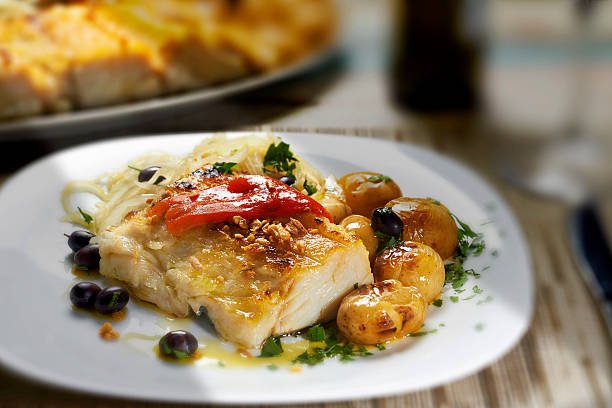
Imagine biting into a flaky croissant on a misty Paris morning, or savoring a hearty bowl of goulash under the shadow of Budapest’s grand bridges. European food isn’t just sustenance—it’s a passport to history, culture, and the quirks of a continent that’s as varied as its landscapes. From the sun-drenched olive groves of the Mediterranean to the frosty fjords of Scandinavia, every region tells its own story through flavors that have evolved over centuries. I’ve wandered through bustling markets in Rome, where the air hums with the scent of fresh basil, and cozy pubs in Dublin, where a simple stew warms you like an old friend’s hug. It’s this diversity that makes European cuisine endlessly fascinating, blending ancient traditions with modern twists. But let’s dive deeper into the many faces of this culinary tapestry, exploring how geography, history, and even a dash of humor shape what lands on the plate.
The Mediterranean Mosaic
The Mediterranean isn’t just a sea—it’s a melting pot of vibrant, sun-kissed flavors that scream freshness and simplicity. Think olive oil drizzled over everything, seafood straight from the waves, and herbs that transport you to ancient times. This region’s food reflects a lifestyle where meals are social events, shared with laughter and lingering conversations. I’ve often joked that Mediterranean eating is like a hug from the inside out—healthy, hearty, and impossible to rush.
Italian Indulgences
Italy’s cuisine is a love letter to regional pride, where each area boasts dishes as unique as its dialects. From the creamy risottos of the north to the fiery pizzas of the south, it’s all about quality ingredients speaking for themselves. I remember my first real carbonara in Rome—no cream, just eggs, cheese, and guanciale dancing together in perfect harmony. It’s indulgent yet balanced, proving why Italy’s food feels like a warm embrace from nonna herself.
Spanish Sensations
Spain turns eating into an art form, with tapas encouraging you to nibble and mingle. Paella from Valencia, bursting with saffron-infused rice and seafood, captures the essence of communal feasting. On a trip to Barcelona, I got lost in a market devouring jamón ibérico—cured ham so melt-in-your-mouth tender it made me question all previous ham experiences. Spanish food is bold, colorful, and always paired with a story or two.
Greek Gems
Greece offers simple pleasures like souvlaki grilled over open flames or spanakopita with its flaky phyllo embracing spinach and feta. The Mediterranean diet shines here, with olive oil as the unsung hero. Picture this: sitting on a taverna terrace in Athens, dipping pita into tzatziki while the sun sets—pure bliss. Greek cuisine reminds us that sometimes the best flavors come from what’s grown right under your feet.
Northern Nourishments
Up north, where winters bite and summers are fleeting, food focuses on comfort and preservation. Hearty stews, smoked fish, and root vegetables dominate, warming body and soul. It’s practical cuisine born from necessity, but with a charm that’s understated and satisfying. I once braved a Scandinavian winter meal that felt like a cozy blanket against the chill—proof that northern eats are all about resilience with a side of rye.
British Bites
Britain’s food gets a bad rap, but think fish and chips wrapped in newspaper or a full English breakfast piled high. It’s unpretentious and filling, with regional twists like Cornish pasties. In London, I tried a Sunday roast with Yorkshire pudding that was so fluffy it defied gravity—humorously, it made me forgive the weather. British cuisine is evolving, blending tradition with global influences for surprising delights.
Scandinavian Simplicity
Sweden’s smörgåsbord is a buffet of pickled herring, meatballs, and lingonberry jam, emphasizing seasonal freshness. Denmark’s smørrebrød—open-faced rye sandwiches—turns lunch into art. During a Copenhagen visit, I sampled fermented shark in Iceland nearby; it was an acquired taste, but the adventure added flavor. Scandinavian food prioritizes sustainability, making every bite feel thoughtful and pure.
Irish Inspirations
Ireland’s fare revolves around potatoes, stews, and soda bread, hearty against the emerald isle’s rains. Irish stew with lamb and root veggies is comfort in a bowl. I shared a pint and colcannon—mashed potatoes with kale—in a Dublin pub, feeling the warmth of hospitality. Irish cuisine is humble, but its storytelling roots make meals memorable.
Eastern European Essentials
Eastern Europe brings robust, soul-soothing dishes influenced by empires and harsh climates. Dumplings, fermented foods, and spiced meats abound, reflecting a history of resourcefulness. It’s food that sticks to your ribs, often shared in family gatherings. On a train through Poland, I devoured pierogi that tasted like home—even though I was miles away—highlighting the region’s comforting embrace.
Polish Pleasures
Poland’s bigos—a hunter’s stew of sauerkraut, meats, and mushrooms—is a flavor explosion from slow cooking. Pierogi, stuffed with cheese or meat, are versatile bites. I recall a Kraków market where vendors bantered while serving oscypek smoked cheese; it was tangy and addictive. Polish food balances sour and savory, drawing from forests and farms.
Russian Riches
Russia’s borscht, a beet soup with sour cream, is iconic and nutritious. Pelmeni dumplings filled with meat are like little flavor packets. In Moscow, I tried beef Stroganoff that was creamy and mushroomy—far from the versions back home. Russian cuisine uses preservation techniques like pickling, turning simple ingredients into feasts.
Ukrainian Uniques
Ukraine shines with varenyky (similar to pierogi) and pampushky garlic rolls. Borscht here might include more veggies for earthiness. During a festival, I sampled salo—cured pork fat—that sounded odd but tasted divine on bread. Ukrainian food emphasizes grains and dairy, fostering a sense of abundance.
Western Wonders
Western Europe marries elegance with everyday eats, from France’s refined techniques to Belgium’s indulgent treats. Butter, herbs, and wines elevate simple fare. It’s sophisticated yet approachable, inviting experimentation. In Paris, a casual bistro meal felt gourmet, reminding me that Western food is about savoring life’s little luxuries.
French Flair
France’s boeuf bourguignon simmers beef in red wine for melt-in-your-mouth tenderness. Croissants and escargots showcase buttery mastery. I once snail-ed my way through a plate in Burgundy, giggling at the garlic-butter bliss. French cuisine is authoritative, influencing global cooking with its sauces and precision.
Belgian Bliss
Belgium’s moules-frites—mussels with fries—is a seaside staple, often with beer. Waffles here are street food royalty. In Brussels, I indulged in chocolate that ruined all others for me—rich and velvety. Belgian food blends French finesse with hearty portions, perfect for foodies.
Dutch Delights
The Netherlands offers stamppot—mashed potatoes with veggies and sausage—for cozy nights. Herring eaten raw with onions is a bold snack. On an Amsterdam canal cruise, I tried bitterballen fried bites; crunchy outside, creamy inside. Dutch cuisine is straightforward, highlighting fresh produce and cheeses like Gouda.
Central European Classics
Central Europe is a crossroads of flavors, with sausages, dumplings, and beers stealing the show. Meats and breads dominate, influenced by neighboring empires. It’s hearty and communal, ideal for festivals. In Vienna, a schnitzel dinner with strudel dessert felt like a symphony—crispy, sweet, and satisfying.
German Goodness
Germany’s bratwurst and pretzels pair perfectly with beer. Sauerbraten—marinated roast—is tangy and tender. At Oktoberfest, I navigated crowds for currywurst; spicy and messy, but worth it. German food varies by region, from Bavarian to Rhineland, showcasing diversity.
Austrian Allure
Austria’s Wiener schnitzel is breaded veal perfection. Apple strudel ends meals sweetly. In Salzburg, I savored Tafelspitz boiled beef; simple yet elegant. Austrian cuisine echoes German but adds alpine herbs for uniqueness.
Hungarian Highlights
Hungary’s goulash soup warms with paprika spice. Lángos fried dough is street food heaven. Budapest’s market hall offered chimney cakes—sweet and cinnamon-y. Hungarian food is bold, using spices from Ottoman influences.
Comparing European Regional Cuisines
Europe’s food diversity shines in comparisons, where climates dictate ingredients and styles. Mediterranean leans light and veggie-forward, while Northern is denser with preserved meats. Eastern emphasizes fermentation for longevity, Central focuses on hearty stews, and Western on refined techniques. This variety ensures something for every palate, from spicy to subtle.
| Region | Staple Ingredients | Iconic Dish | Flavor Profile | Health Angle |
|---|---|---|---|---|
| Mediterranean | Olive oil, seafood, herbs | Paella | Fresh, aromatic | Heart-healthy fats |
| Northern | Potatoes, fish, rye | Fish and chips | Comforting, salty | Sustaining energy |
| Eastern | Beets, dumplings, sour cream | Borscht | Tangy, earthy | Probiotic-rich |
| Western | Butter, wine, cheeses | Boeuf bourguignon | Rich, layered | Indulgent balance |
| Central | Sausages, cabbage, beer | Goulash | Spicy, robust | Filling proteins |
Pros and Cons of the Mediterranean Diet
The Mediterranean face of European food often gets spotlighted for health benefits, but it’s not all sunshine.
- Pros: Abundant fruits and veggies reduce heart disease risk; olive oil promotes longevity; social eating boosts mental health.
- Cons: Seafood can be pricey; portion control needed to avoid overindulgence; not always adaptable to colder climates without imports.
Where to Get Authentic European Flavors
For navigational vibes, head to local markets like La Boqueria in Barcelona for fresh tapas ingredients, or Borough Market in London for British classics. In Paris, rue Cler offers cheese shops galore. These spots let you grab and go, immersing in the culture.
Best Tools for Home European Cooking
Transactionally speaking, invest in a paella pan for Spanish feasts or a fondue set for Swiss nights. A good mandoline slicer helps with precise cuts in French prep, while a dumpling maker eases Eastern European efforts. Brands like Le Creuset offer durable pots for stews across regions.
People Also Ask
Drawing from common curiosities, here’s a dive into what folks often wonder about European food.
Why Does Some European Food Seem Bland?
Northern European dishes can feel understated compared to spice-heavy cuisines, but it’s about subtlety—fresh ingredients shine without overpowering. Think of it as a canvas for personal twists; add herbs if you crave kick. Historically, preservation trumped bold flavors in colder areas.
What’s the Difference Between US and European Food?
European portions are smaller and fresher, with stricter additive regulations making ingredients “cleaner.” US food often emphasizes convenience and variety, while Europe focuses on seasonal, local sourcing. I’ve noticed Europeans linger over meals, turning dining into an event rather than a rush.
Is European Food Healthier?
Many aspects, like the Mediterranean diet’s emphasis on veggies and oils, promote wellness. But indulgences like French pastries or German sausages add calories. Balance is key—Europeans walk more, aiding digestion. It’s not universally “better,” but the diversity encourages mindful eating.
How Does Food Etiquette Differ in Europe?
Meals are social; no rushing servers for checks. In France, bread goes on the table, not plate. Tipping is minimal. I learned the hard way in Italy—cappuccino after noon is a faux pas. It’s about respect for the ritual.
Internal and External Links for Deeper Dives
For more on Italian pasta varieties, check this guide to regional Italian cuisines. Externally, explore Britannica’s overview of European food traditions for historical context. Within this article, revisit the comparison table for quick references.
European food’s many faces—from the zesty Mediterranean to the comforting North—reveal a continent united by diversity. Whether you’re chasing the perfect pizza or a warming stew, it’s about the stories behind each bite. I’ve shared laughs over shared plates in tiny villages and grand cities alike, proving food bridges gaps. Next time you travel, let your taste buds lead; you might just find a new favorite face.
FAQ
What is European cuisine known for?
European cuisine is renowned for its regional diversity, from dairy-rich cheeses and fermented products to hearty meats and fresh seafood. It emphasizes seasonal ingredients and historical influences, like spices from trade routes. Common threads include breads, potatoes, and innovative preservation methods.
Which European country has the best food?
It’s subjective, but Italy often tops lists for its pasta, pizza, and gelato variety. France follows with elegant sauces and pastries. Spain’s tapas culture adds fun. Personal fave? Depends on mood—craving comfort? Go German.
How has history shaped European food?
Colonization introduced potatoes and tomatoes from the Americas, transforming diets. Trade brought spices, while wars and empires blended flavors, like Ottoman influences in Hungary. Class divides once dictated access, but now it’s democratized.
Are there vegetarian options in European cuisine?
Absolutely—many regions offer veggie-forward dishes like Greek spanakopita or Italian caprese. Eastern Europe’s beet soups and Central’s dumplings adapt easily. With rising trends, even meat-heavy areas now cater to plant-based eaters.
What’s a must-try European dessert?
Tiramisu from Italy for coffee-lovers, or strudel from Austria for fruity crunch. Don’t skip Portuguese pastéis de nata—custard tarts that are flaky heaven. Each region sweetens the deal uniquely.