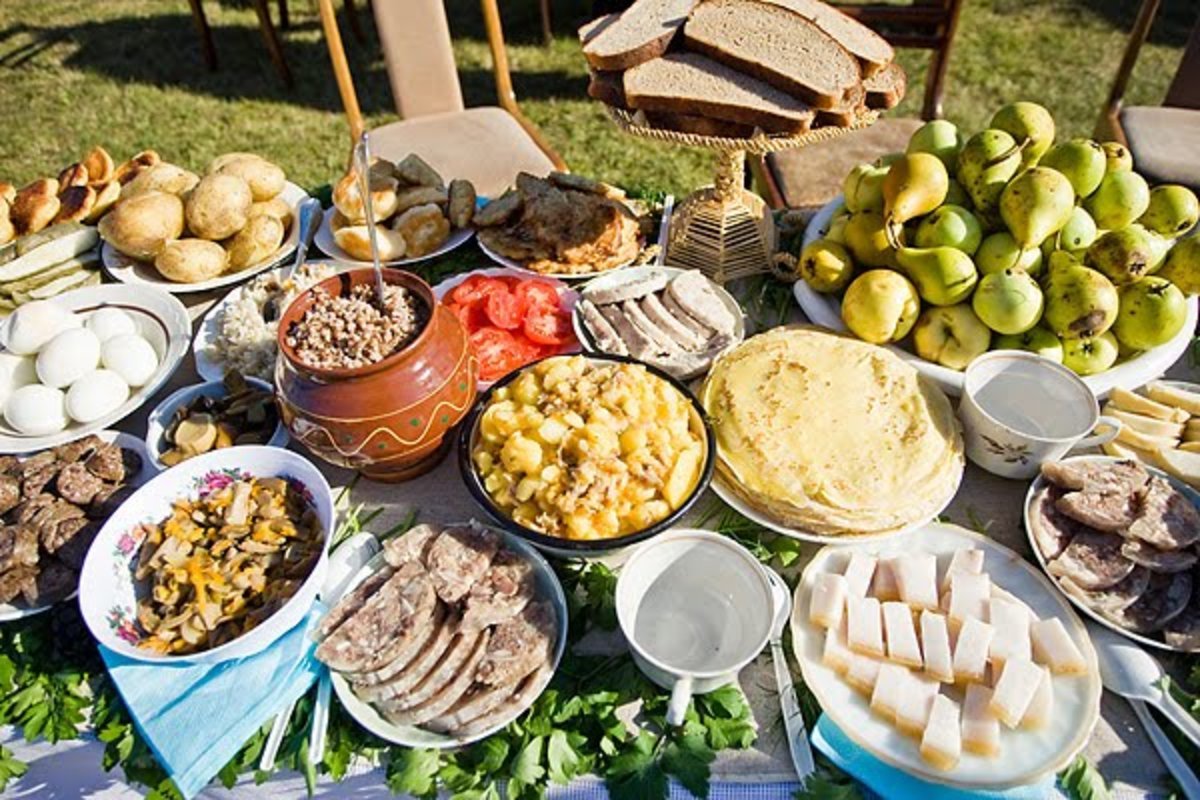
Picture this: I’m wandering the cobblestone streets of Paris on a chilly autumn evening, the air thick with the scent of fresh baguettes and simmering stews. That first bite of a hearty beef bourguignon warmed me from the inside out, reminding me why European food has captured hearts worldwide. It’s not just sustenance; it’s a story on a plate, blending history, culture, and simple joys. In this deep dive, we’ll explore traditional dishes from 14 European nations, sharing flavors that define their identities. Whether you’re a home cook dreaming of recreating these at your kitchen table or a traveler plotting your next adventure, these foods offer a passport to Europe’s soul. Let’s embark on this culinary journey, one bite at a time.
The Allure of Traditional European Cuisine
European food isn’t about fancy fusions or trendy twists—it’s rooted in generations of resourcefulness, using local ingredients to create comforting, flavorful meals. From the sun-drenched olives of the Mediterranean to the hearty potatoes of the north, each region tells a tale of survival and celebration. I’ve chased these tastes across borders, discovering how a simple stew can evoke home no matter where you are.
United Kingdom: Fish and Chips
Nothing screams British comfort like golden fish and chips wrapped in newspaper, especially on a blustery seaside day. I remember huddling against the wind in Brighton, devouring a portion that was crispy outside, flaky inside, with a dash of malt vinegar cutting through the richness. This dish, born from working-class ingenuity in the 19th century, pairs battered cod or haddock with thick-cut fries, often served with mushy peas for that extra nostalgic kick.
History Behind the Batter
Fish and chips trace back to Jewish immigrants who introduced fried fish to London in the 1600s, later merging with Belgian-style fries. It became a staple during World War II, never rationed to boost morale. Today, it’s a symbol of British resilience, evolving with sustainable fish choices.
Where to Savor Authentic Versions
Head to coastal towns like Whitby or Edinburgh for the freshest catches—places like The Magpie Cafe serve it with pride. For a twist, try it in London pubs with craft beer pairings.
Pros and Cons of This Classic
- Pros: Affordable, portable, and endlessly satisfying; great for sharing.
- Cons: Can be greasy if not fried right; high in calories for frequent indulgence.
France: Beef Bourguignon
Slow-cooked beef melting into a rich red wine sauce, mingled with carrots, onions, and mushrooms—beef bourguignon is France’s hug in a bowl. On my first trip to Burgundy, I savored it in a tiny bistro, the flavors unfolding like a fine wine, earthy and profound. This peasant dish turned gourmet staple uses tough cuts transformed by hours of simmering, embodying French patience in the kitchen.
Origins in the Vineyards
Julia Child popularized it globally, but it hails from Burgundy’s wine country, where leftover vino elevated simple stews. It’s a nod to rural life, with recipes varying by family heirlooms.
Best Places to Try It
Seek out Lyon or Dijon for authentic renditions—restaurants like Bouchon Lyonnais offer it with crusty bread. For home cooks, source quality Burgundy wine from specialty stores like Wine.com.
Comparing to Other Stews
Unlike Irish stew’s lighter broth, bourguignon’s wine base adds depth; it’s richer than Hungarian goulash but shares slow-cooking magic.
Italy: Pizza Napoletana
A thin, chewy crust topped with tangy tomato sauce, fresh mozzarella, and basil—pizza Napoletana is simplicity perfected. I once burned my mouth in Naples, too eager to wait, the wood-fired oven’s char adding that irresistible smokiness. Born in the 18th century as street food for the poor, it’s now UNESCO-protected, demanding specific ingredients like San Marzano tomatoes.
From Streets to Global Icon
Queen Margherita inspired the classic version in 1889, her colors mirroring Italy’s flag. Regional variations abound, but Naples holds the purest form.
Where to Get the Real Deal
Pizzerias like Da Michele in Naples use centuries-old techniques. For ingredients, check Italian markets or online at Eataly.
Pros and Cons List
- Pros: Versatile toppings; quick to make; appeals to all ages.
- Cons: Authentic ovens are hard to replicate at home; can be messy to eat.
Spain: Paella
Saffron-infused rice studded with seafood, chicken, and veggies—paella is Spain’s vibrant party on a pan. In Valencia, I joined locals around a massive outdoor skillet, the socarrat (crispy bottom) fighting for every scrape. This dish from the rice fields evolved from Muslim influences, now a symbol of communal feasting.
Roots in the Rice Paddies
Originally a midday meal for farmers, it incorporated whatever was available—rabbit, snails, or beans. Coastal versions added shellfish in the 19th century.
Navigational Tips for Tasting
Valencia’s La Pepica is legendary; avoid tourist traps in Barcelona. Buy saffron from Amazon for home attempts.
Transactional Advice
Best tools include a wide paella pan from brands like Garcima, available at kitchen stores.
Germany: Bratwurst
Juicy pork sausages grilled to perfection, served with mustard and sauerkraut—bratwurst is Germany’s hearty handshake. At a Berlin beer garden, I paired it with pretzels, the snap of the casing giving way to spiced meat. Dating back to the 1300s, each region boasts its own variety, from Nuremberg’s tiny links to Thuringia’s bold flavors.
A Sausage Saga
Monks invented it to preserve meat; now it’s festival fare, like at Oktoberfest. Variations use veal or beef for diversity.
Where to Hunt It Down
Munich’s Viktualienmarkt stalls sizzle with options. For home, source from butchers or GermanDeli.com.
Comparison Table: Sausages Across Europe
| Country | Sausage Type | Key Ingredients | Serving Style |
|---|---|---|---|
| Germany | Bratwurst | Pork, veal, spices | Grilled with mustard |
| Poland | Kielbasa | Pork, garlic | Smoked, in soups |
| Italy | Salsiccia | Pork, fennel | Grilled or in pasta |
Greece: Moussaka
Layers of eggplant, minced meat, and creamy béchamel—moussaka is Greece’s comforting casserole. In Athens, I dug into a tavern version, the cinnamon-spiced lamb evoking Ottoman echoes. This 20th-century creation blends Balkan and Middle Eastern influences, baked to bubbly perfection.
Layers of History
Nikolaos Tselementes added the French béchamel in the 1920s, elevating a humble dish. Variations include potato or zucchini.
Best Spots for a Bite
Island tavernas like those in Crete offer fresh twists. Ingredients at Mediterranean markets.
Emotional Appeal
It’s like a warm embrace from yiayia—pure comfort that makes you linger over ouzo.
Sweden: Köttbullar (Swedish Meatballs)
Tender meatballs in creamy gravy, with lingonberry jam—köttbullar is Sweden’s cozy classic. During a snowy Stockholm visit, I warmed up with them at a fika spot, the tart berries cutting the richness perfectly. Popularized by IKEA, they stem from 18th-century royal recipes influenced by Turkish travels.
From Palace to Plate
King Charles XII brought the idea from the Ottoman Empire; now a smorgasbord staple.
Where to Find Them
Stockholm’s Meatballs for the People innovates; home kits from IKEA.
Pros and Cons
- Pros: Kid-friendly; versatile sides like mashed potatoes.
- Cons: Gravy can be heavy; lingonberries hard to source outside Scandinavia.
Portugal: Bacalhau
Salted cod prepared a thousand ways—bacalhau is Portugal’s oceanic obsession. In Lisbon, I tried bacalhau à brás, shredded with eggs and potatoes, the saltiness balanced by olives. Introduced by fishermen in the 16th century, it’s a Lenten favorite turned national pride.
Salted Seas Legacy
Cod fishing voyages preserved it with salt; now in pastéis or stews.
Navigational Gems
Porto’s markets or Lisbon’s Time Out Market. Buy dried cod online.
Light Humor
They say there are 365 bacalhau recipes—one for each day. I’ve only tried 10; challenge accepted!
Belgium: Moules Frites
Steamed mussels with crispy fries—moules frites is Belgium’s seaside symphony. In Brussels, I slurped them from the shell, dipping fries in garlicky broth, a messy delight. Dating to the 1700s, it’s a national dish rivaling waffles in fame.
Coastal Comfort
Mussels from the North Sea, fries invented here—pure Belgian genius.
Where to Indulge
Brussels’ Chez Leon; fresh mussels from fishmongers.
Transactional Tips
Use a mussel pot for home steaming, available at Williams-Sonoma.
Austria: Wiener Schnitzel
Breaded veal cutlet fried golden—Wiener schnitzel is Austria’s crispy crown. In Vienna, I savored it with lemon and potato salad, the crunch giving way to tender meat. Legend says it came from Italy in the 1800s, now protected by law.
Breaded Backstory
Field Marshal Radetzky brought the idea from Milan; Austrians perfected it.
Best Venues
Figlmüller in Vienna. Veal from quality butchers.
Comparison to Similar Dishes
Unlike Germany’s schnitzel with sauce, Wiener is plain, letting the meat shine.
Hungary: Goulash
Spicy beef stew with paprika and potatoes—goulash is Hungary’s warming wonder. On a Budapest market tour, I spooned it from a cauldron, the smokiness transporting me to shepherd camps. Originating with nomads in the 9th century, it’s evolved into a national soup or stew.
Nomadic Nourishment
Herdsmen dried meat for portability; paprika added in the 1700s.
Where to Warm Up
Budapest’s Great Market Hall. Paprika from Hungarian shops.
Pros and Cons
- Pros: One-pot wonder; freezes well.
- Cons: Spice level varies; can be time-consuming.
Poland: Pierogi
Dumplings stuffed with potato, cheese, or meat—pierogi are Poland’s pocketed pleasures. In Krakow, I feasted on them boiled then fried, topped with onions. Dating to the 13th century, they’re festival favorites, sweet or savory.
Dumpling Dynasty
Influenced by Asian traders; now a Christmas Eve staple.
Spots to Sample
Warsaw’s pierogarnias. Flour and fillings from ethnic grocers.
Emotional Tie
Like grandma’s hugs—filling and familiar, evoking family gatherings.
Switzerland: Fondue
Melted cheese dipped with bread—fondue is Switzerland’s melty mingle. In the Alps, I shared a pot by a fire, the garlic and wine blending into gooey bliss. Born in the 1700s to use stale bread and cheese, it’s now a social ritual.
Cheesy Chronicles
Peasants’ resourcefulness; modern versions add chocolate for dessert.
Where to Dip In
Geneva cafes. Cheese from Murray’s Cheese.
Table: Cheese Fondues Variations
| Type | Cheeses Used | Add-Ins | Pairings |
|---|---|---|---|
| Classic | Gruyère, Emmental | White wine, garlic | Bread, potatoes |
| Moitié-Moitié | Gruyère, Vacherin | Kirsch | Apples, charcuterie |
Ireland: Irish Stew
Lamb, potatoes, and onions simmered slowly—Irish stew is the Emerald Isle’s soul food. In Dublin, I enjoyed it in a pub, the broth soothing after a rainy walk. From the 1800s, it used mutton and root veggies for hearty sustenance.
Stew of Survival
Potato famine era staple; now with Guinness for depth.
Navigational Notes
Dublin’s The Brazen Head. Lamb from local farms.
Light Humor
It’s so simple, even I can’t mess it up—though I’ve tried!
People Also Ask (PAA)
Drawing from common queries on traditional European foods, here are answers to what folks often wonder.
What is the most famous traditional European food?
Pizza from Italy tops many lists, but it’s subjective—French croissants or Spanish tapas vie for the spot. Each country’s dish shines in its context.
Which European country has the best cuisine?
Italy often wins polls for variety, but France’s refinement and Spain’s boldness make strong cases. It depends on your taste—I’ve loved them all.
What are some must-try Eastern European dishes?
Borscht from Ukraine, pierogi from Poland, and goulash from Hungary offer hearty flavors. They’re underrated gems.
How has European food influenced global cuisine?
From pasta shaping American Italian to paella inspiring rice dishes, Europe’s exports like potatoes from the New World changed everything.
Comparing Mediterranean vs. Northern European Foods
Mediterranean cuisines like Greek and Italian emphasize olive oil, fresh produce, and seafood for lighter meals, while northern ones like Swedish and German favor meats, potatoes, and dairy for warmth. Health-wise, Mediterranean diets reduce heart risks; northern offer comfort in cold climates. I’ve switched between olive-drenched salads in Greece and sausage feasts in Germany—both satisfying in their ways.
Pros of Mediterranean Style
- Fresh, vibrant flavors.
- Heart-healthy fats.
- Seasonal variety.
Cons of Northern Approach
- Heavier on calories.
- Less veggie focus.
- Weather-dependent appeal.
The Joy of Recreating European Dishes at Home
Bringing Europe to your kitchen builds connections—I’ve hosted paella parties that sparked travel tales. Start with basics: quality ingredients make the difference. For tools, invest in a good cast-iron skillet for schnitzel or a fondue set for fun nights.
Transactional Recommendations
Best for beginners: Kits from HelloFresh with European recipes. Advanced: Specialty spices from The Spice House.
FAQ
What makes European food traditional?
It uses local, seasonal ingredients passed down through recipes, reflecting cultural history without modern twists.
Where can I find authentic European ingredients?
Ethnic markets, online stores like igourmet.com, or farms for fresh produce.
Is European food healthy?
It varies—Mediterranean is nutrient-rich; northern can be hearty but balanced with veggies.
How do I avoid tourist traps for traditional food?
Ask locals, avoid chains, seek family-run spots via apps like TripAdvisor.
What’s the best way to experience multiple European cuisines?
Food tours in cities like Paris or Rome—I’ve done them and discovered hidden flavors.
In wrapping up, these 14 dishes aren’t just meals; they’re invitations to explore Europe’s heart. From the crunch of fish and chips to the melt of fondue, each bite carries stories. I’ve chased these tastes, burning a few attempts at home, but the joy lies in the trying. Whether cooking or traveling, let these foods inspire your next adventure. Bon appétit, or as they say across the pond, enjoy!