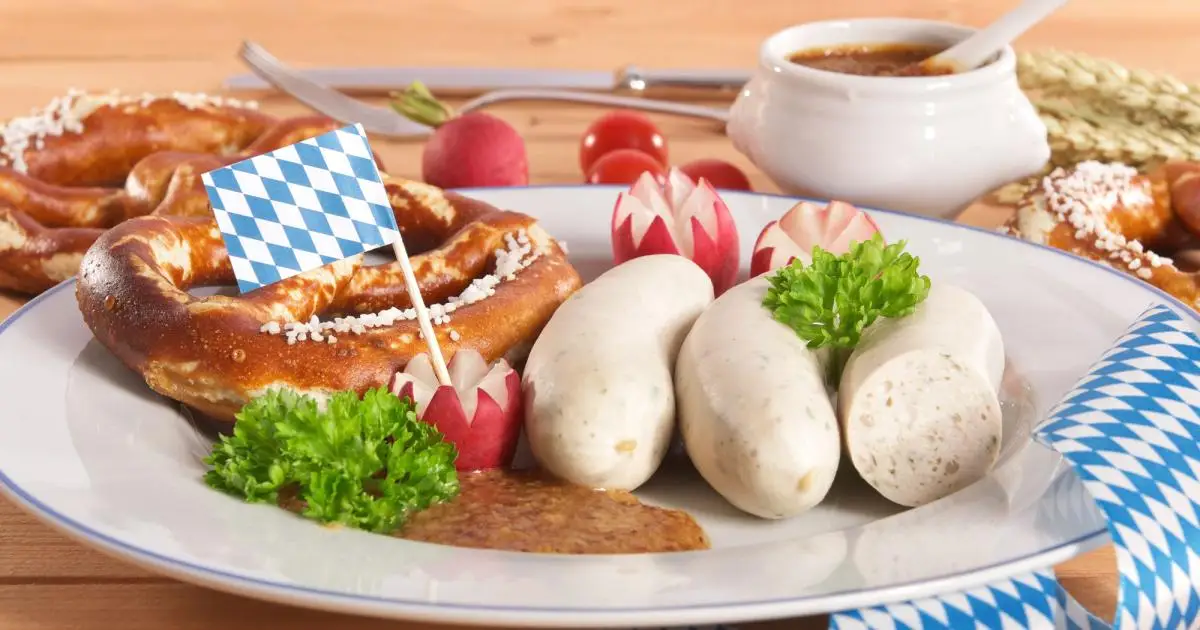
Picture this: I’m wandering the bustling streets of Munich on a crisp autumn morning, the air thick with the scent of fresh bread and roasting meats. It was my first real dive into Germany, and honestly, I went in thinking it’d all be sausages and beer – which, fair enough, it kind of is. But oh man, the flavors hit differently when you’re there, surrounded by locals chatting over steaming plates in a cozy beer garden. That trip turned me into a total Bavarian food evangelist, and if you’re planning a visit, trust me, these dishes will make your taste buds dance. Bavaria’s cuisine isn’t just fuel; it’s a hearty hug from history, blending simple ingredients with centuries of tradition to create meals that stick with you long after the last bite.
The Essence of Bavarian Cuisine
Bavarian food draws from the region’s alpine landscapes and farming roots, emphasizing meats, cheeses, and breads that warm you up on those chilly days. It’s all about balance – rich flavors cut with tangy sauerkraut or a crisp beer, making every meal feel like a celebration. Think of it as comfort food with a German twist, where pork reigns supreme but veggies and dumplings play strong supporting roles. This style has evolved over generations, influenced by everything from monastic brewing traditions to seasonal harvests, turning everyday eats into cultural icons.
History and Influences on Bavarian Dishes
Bavaria’s culinary story kicks off in medieval times, when monks brewed beer and preserved meats to survive harsh winters – that’s why sausages and ferments are staples today. Fast forward to the 19th century, and events like Oktoberfest amplified these traditions, spreading them worldwide. Influences from neighboring Austria and Czechia sneak in too, adding layers like paprika-spiced goulash variations. It’s fascinating how something as simple as a pretzel ties back to religious symbols, evolving into a snack that’s now synonymous with fun and feasting.
15 Must-Try Bavarian Dishes
I’ve handpicked these based on my own adventures and chats with locals – each one tells a story of the region. From breakfast bites to hearty dinners, they’re perfect for anyone exploring Germany. Pro tip: Pair them with a local brew for the full experience.
Weisswurst
This mild white sausage, made from veal and pork back bacon, is a Munich morning ritual – traditionally eaten before noon because, legend has it, the bells would ring and spoil the fun if you waited. Boiled gently and peeled before eating, it’s served with sweet mustard, a soft pretzel, and wheat beer. I once had it at a bustling market stall, and the subtle parsley and lemon notes made it feel light despite the richness – don’t forget to “zuzeln” or suck it out of the skin for authenticity.
Brezel
The iconic twisted pretzel, or Brezel, gets its golden crust from a quick dip in lye solution before baking, sprinkling coarse salt on top for that addictive crunch. It’s not just a snack; it’s a symbol of Bavarian bakers’ guilds dating back centuries. Grabbing one fresh from a street vendor in Nuremberg, still warm and chewy inside, felt like biting into history – perfect alone or slathered with butter for a simple joy.
Obatzda
A creamy cheese spread whipped up from ripe Camembert, butter, and paprika, Obatzda was born from thriftiness, using up leftover cheese in beer gardens. Spread it thick on rye bread or pretzels, and the tangy, onion-laced kick pairs brilliantly with radishes. My first taste at a family-run inn left me hooked – it’s got this bold, spreadable magic that screams “share with friends over laughs.”
Schweinshaxe
This roasted pork knuckle boasts crackling skin outside and tender meat within, slow-cooked until it falls off the bone, often with a beer gravy. A staple at festivals, it’s hearty enough to fuel a day of hiking in the Alps. I tackled one in a rustic tavern near the Zugspitze, and the juicy, flavorful payoff after cracking through that crisp exterior? Pure bliss, though pace yourself – it’s massive!
Krustenbraten
Known as roast pork with crackling, this dish features a shoulder cut scored and roasted for that perfect crispy top, served with dumplings and cabbage. It’s a Sunday family favorite in Bavarian homes. Recalling a home-cooked version from a friend’s grandma in Regensburg, the herbal rub and juicy interior made it comforting yet elevated – ideal for cozy evenings.
Leberkäse
Despite the name suggesting liver and cheese, this baked meatloaf is mostly fine-ground pork and beef, sliced thick and stuffed into a roll for a quick bite. It’s a go-to snack at butcher shops. Munching on a warm Leberkässemmel during a train ride through Franconia, the subtle coriander spice surprised me – simple, satisfying, and utterly addictive.
Käsespätzle
These homemade egg noodles layered with melted cheese and topped with fried onions are like Germany’s mac and cheese, but earthier. Often baked for extra gooeyness. In a small Allgäu eatery, I savored a plate that was pure comfort, the nutty Emmentaler melting into every nook – add a side salad to cut the richness, and you’ve got heaven.
Nürnberger Bratwürste
Tiny grilled sausages from Nuremberg, seasoned with marjoram and served three in a bun or with sauerkraut. Protected by law for their size and recipe. At the Christmas market, biting into these finger-sized wonders amid twinkling lights felt festive – their smoky snap is why they’re a street food legend.
Steckerlfisch
Grilled fish on a stick, marinated in herbs and cooked over open flames at beer gardens. Mackerel or trout shine here. Lakeside in Chiemsee, I enjoyed one fresh off the grill – the charred exterior and flaky inside, with a squeeze of lemon, made it a lighter alternative to meat-heavy meals.
Sauerbraten
Beef marinated in vinegar and spices for days, then braised slowly for tenderness, served with red cabbage. A Swabian influence in Bavaria. Trying it in a historic Bamberg inn, the sweet-sour gravy won me over – it’s like a hug from grandma, tender and full of warmth.
Brathendl
Rotisserie chicken, rubbed with paprika and herbs, crispy outside and juicy in – a Oktoberfest must. Half portions make it shareable. Amid the Wiesn crowds, devouring one with friends was chaotic fun – the simple seasoning lets the quality shine through.
Zwiebelrostbraten
Pan-fried beef steak topped with crispy onions, in a rich gravy with sides like spätzle. A elegant twist on roasts. In a upscale Munich spot, the caramelized onions elevated the dish – hearty yet refined, perfect for a special night.
Schupfnudeln
Potato noodles pan-fried with bacon or sauerkraut, chewy and golden. A versatile side or main. Discovering them in a Franconian village market, tossed with herbs, they were like gnocchi’s fun cousin – comforting and versatile.
Dampfnudeln
Steamed yeast dumplings, sweet or savory, often with vanilla sauce. Light and fluffy. At a bakery in Passau, the sweet version drizzled with custard was dessert perfection – airy bites that melt in your mouth.
Quarkbällchen
Deep-fried dough balls made with quark cheese, dusted in sugar. Like mini donuts. Snacking on them at a fair in Ingolstadt, the tangy interior surprised me – light, not greasy, and dangerously poppable.
Comparing Bavarian Meat Dishes
Bavarian cuisine shines in its variety of pork and beef preparations. Here’s a quick table to compare some favorites:
| Dish | Main Ingredient | Cooking Method | Typical Sides | Best For |
|---|---|---|---|---|
| Schweinshaxe | Pork Knuckle | Roasted | Dumplings, Sauerkraut | Festive Feasts |
| Krustenbraten | Pork Shoulder | Roasted | Cabbage, Gravy | Family Dinners |
| Sauerbraten | Beef | Braised | Red Cabbage, Spätzle | Special Occasions |
| Zwiebelrostbraten | Beef Steak | Pan-Fried | Onions, Potatoes | Elegant Meals |
This shows how Bavaria turns similar cuts into distinct experiences through techniques and pairings.
Pros and Cons of Indulging in Bavarian Food
Pros:
- Incredibly flavorful and satisfying, perfect for cold weather.
- Affordable and widely available in authentic settings like beer gardens.
- Cultural immersion – each dish has a story.
- Pairs amazingly with local beers.
Cons:
- Heavy on meats and carbs, which might not suit lighter diets.
- Portions are generous, so overeating is easy (guilty as charged!).
- Some dishes like Weisswurst have etiquette rules that can trip up newcomers.
- Limited vegan options in traditional spots.
Overall, the pros outweigh the cons if you embrace it moderately.
Vegetarian Options in Bavarian Cuisine
Don’t fret if meat isn’t your thing – Bavaria has gems like Käsespätzle, loaded with cheese and noodles, or Obatzda on bread. Pretzels and radish salads are simple standbys. I once pieced together a veggie feast in a Munich hall with sauerkraut, potato dumplings, and cheese spreads – hearty without the heaviness.
- Käsespätzle: Cheesy delight.
- Semmelknödel: Bread dumplings in mushroom sauce.
- Quarkbällchen: Sweet treats.
- Bayerischer Kartoffelsalat: Vinegar-based potato salad.
These prove Bavaria’s versatility beyond sausages.
Where to Get Authentic Bavarian Food
Head to Munich’s Viktualienmarkt for fresh Weisswurst or Hofbräuhaus for Schweinshaxe in a lively atmosphere. In Nuremberg, try Bratwurst at historic spots like Bratwurst Röslein. For a scenic twist, Andechs Monastery offers monastery-brewed beer with Krustenbraten. Smaller towns like Rothenburg ob der Tauber have cozy inns serving local twists – always ask for house specials.
Best Tools for Cooking Bavarian Dishes at Home
If you’re inspired to recreate these, grab a good spätzle maker for those noodles – brands like Norpro are affordable and easy. A heavy Dutch oven is key for braises like Sauerbraten; Le Creuset holds heat perfectly but Lodge is budget-friendly. For pretzels, a baking stone ensures that crust. Stock up on German mustard from online shops like GermanDeli for authenticity.
People Also Ask
What is the most famous food in Bavaria?
Schweinshaxe, the roasted pork knuckle, tops the list for its dramatic presentation and flavor – a symbol of hearty Bavarian feasts often enjoyed at Oktoberfest.
What is a traditional Bavarian breakfast?
Weisswurst with pretzels and sweet mustard, washed down with Weissbier, is classic – light yet satisfying to start the day.
Are there vegetarian Bavarian dishes?
Yes, like Käsespätzle or Obatzda, focusing on cheeses and breads – modern spots even offer vegan twists on classics.
What makes Bavarian cuisine unique?
Its emphasis on local, seasonal ingredients like alpine cheeses and forest herbs, plus the Reinheitsgebot beer purity law, sets it apart with rustic, bold flavors.
Where can I find the best Bavarian food in Germany?
Munich’s beer gardens and markets are prime, but explore Franconia for regional sausages or the Allgäu for cheese-focused dishes.
Pairing Bavarian Dishes with Beer
Bavaria’s beers are legends, brewed under strict purity laws since 1516. Weissbier’s wheat notes cut through Weisswurst’s mildness, while a dark Dunkel enhances Schweinshaxe’s richness. For lighter fare like pretzels, a crisp Helles lager shines. I learned this the fun way at a tasting in Augsburg – the pairings elevate everything, turning meals into experiences.
FAQ
What are some must-try Bavarian desserts?
Beyond the dishes listed, try Apfelstrudel – flaky pastry with cinnamon apples – or Prinzregententorte, a layered chocolate cake honoring a regent.
Is Bavarian food spicy?
Not really; it’s more about herbal and tangy flavors, though mustard adds a kick. Paprika in some dishes brings mild heat.
How can I experience Bavarian food on a budget?
Street markets and beer gardens offer affordable portions – a Leberkässemmel might cost just a few euros, full of flavor.
What’s the difference between Bavarian and other German cuisines?
Bavaria leans heavier on pork and dumplings compared to northern seafood or eastern potato dishes, with stronger alpine influences.
Can I find gluten-free options in Bavarian cuisine?
It’s challenging traditionally, but modern restaurants adapt with rice-based dumplings or gluten-free pretzels – always check ahead.
Wrapping up, diving into these 15 dishes isn’t just eating; it’s stepping into Bavaria’s soul. From my trips, I know they’ll leave you with stories and cravings. Whether you’re in a bustling hall or quiet inn, savor slowly – and maybe plan that next visit around the food. Prost!