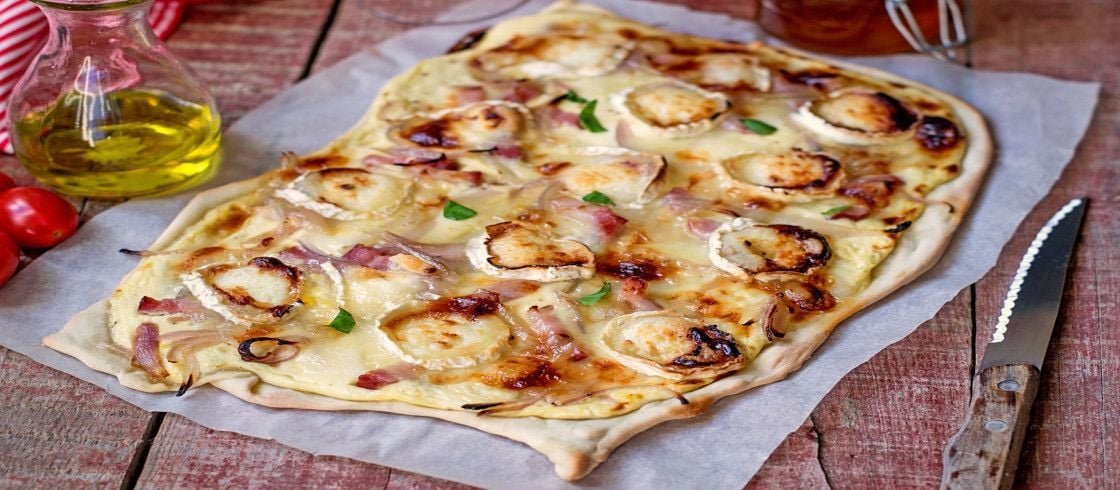
I still remember the exact moment Alsace stole my heart—and my appetite. It was a chilly October afternoon in Strasbourg. I’d just stepped off the train, half-lost, when the smell hit me: wood-fired ovens, smoky bacon, and something tangy and creamy all at once. I followed my nose down a cobbled alley and ended up in a tiny winstub with red-checkered curtains and a chalkboard menu that read like a greatest-hits list of comfort food. One bite of flammekueche later, I was done for. I extended my stay by four days, gained three pounds, and came home with a suitcase that smelled permanently of Riesling and sauerkraut. Worth it.
Alsace isn’t just a region—it’s a delicious identity crisis. Wedged between France and Germany, it speaks French, looks like a fairy-tale village, and eats like it’s preparing for the coziest winter hibernation ever. The food is hearty, honest, and unapologetically rich. Pork is basically a food group. White wines flow like water. And somehow, everything still feels elegant.
If you’re planning a trip—or just want to bring a little Alsace magic to your own kitchen—this guide is for you. I’ve eaten my way from Obernai to Riquewihr (multiple times), chatted with grandmothers guarding centuries-old recipes, and learned exactly which dishes will ruin you for all other food forever.
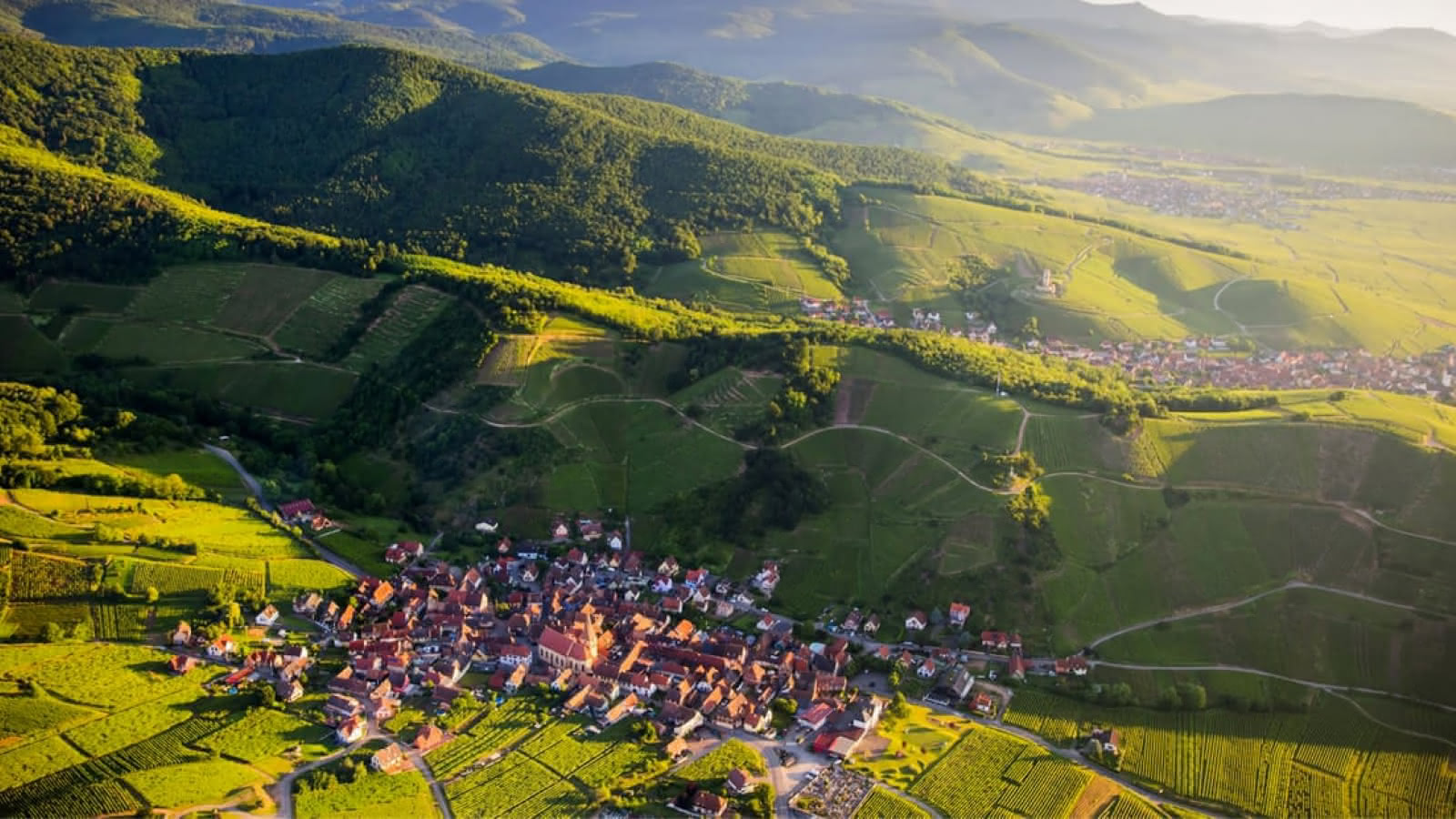
Homepage – Alsace Wine Route
Why Alsatian Cuisine Feels Like Home (Even When It’s Your First Visit)
Alsatian cooking is built on centuries of passing the border back and forth. You taste French finesse in the wines and German soul in the portions. Everything revolves around seasonal ingredients, slow cooking, and gathering around a table until nobody can move.
The region’s cold winters demanded food that sticks to your ribs. Cabbage ferments into gold. Pigs are celebrated in at least twelve different ways. And the vineyards that blanket the hills produce whites so crisp they cut straight through all that richness.
Flammekueche: The Addictive “Alsatian Pizza” You’ll Dream About
Thin, crackly dough smeared with crème fraîche, scattered with onions and lardons, then blasted in a wood-fired oven until the edges curl and blacken just a little. That’s flammekueche—tarte flambée in French—and it is dangerously good.
It started as a way for bakers to test oven temperature: roll out bread dough super thin, top it with whatever was around, and slide it in. If it cooked in two minutes, the oven was ready for loaves. Farmers turned it into dinner. Today you’ll find it everywhere from street stalls to Michelin-starred restaurants.
Classic version: crème fraîche, onions, bacon. Variations I love: forestière (mushrooms), munster cheese, sweet with apples and cinnamon.
Pro tip: Eat it rolled up like a savory crêpe with an ice-cold Sylvaner. Your life will improve instantly.

Where I Had the Best Flammekueche of My Life
Maison Kammerzell in Strasbourg looks like a gingerbread house on steroids. Their version has the perfect blistering on the edges and lardons that are more smoky than salty. Runner-up: the tiny winstub Le Clou in Strasbourg—ask for extra onions and thank me later.
Choucroute Garnie: The Mountain of Deliciousness That Defines Alsace
If Alsace had a national dish, this is it. A steaming pile of fermented cabbage (choucroute) surrounded by sausages, smoked pork loin, belly, knuckles, and potatoes. It sounds intense. It is intense. It’s also one of the best things I’ve ever eaten.
The cabbage is the star: fermented slowly with juniper berries, it’s tangy but not sour like cheap supermarket sauerkraut. Everything else is just there to make it even more glorious.
Traditional garnishes (don’t skimp):
- Strasbourg sausages
- Smoked Montbéliard sausages
- Pork knuckle
- Salted pork belly
- Boiled potatoes
Pair it with Riesling or Pinot Blanc—the acidity slices right through the fat.
I once watched a tiny Alsatian grandmother put away a portion meant for two lumberjacks. Respect.
Choucroute Garnie
Choucroute vs. German Sauerkraut: What’s the Difference?
| Aspect | Alsatian Choucroute Garnie | German Sauerkraut Plates |
|---|---|---|
| Base cabbage | Rinsed, cooked in Riesling | Often sharper, less rinsed |
| Wine used | Almost always white Alsace wine | Beer or just water |
| Meats | Wider variety, more pork cuts | Often just knackwurst or bratwurst |
| Overall vibe | Elegant, balanced richness | Rustic, heavier |
Alsace wins for me every time.
Baeckeoffe: The Slow-Cooked Casserole That Takes Three Days (and Is Worth It)
Pronounced “back-en-of-uh,” this is the original meal-prep dish. Women would layer lamb, beef, pork, potatoes, onions, and leeks in a special terrine, marinate everything in white wine overnight, then drop it at the baker’s oven on the way to the laundry (Monday) or church. By the time they came back, dinner was ready.
The name literally means “baker’s oven.” The terrine is sealed with dough so nothing escapes—three meats, three hundred percent delicious.
Modern versions sometimes skip the lamb, but I love the classic trifecta. The potatoes soak up all that winey goodness and practically melt.
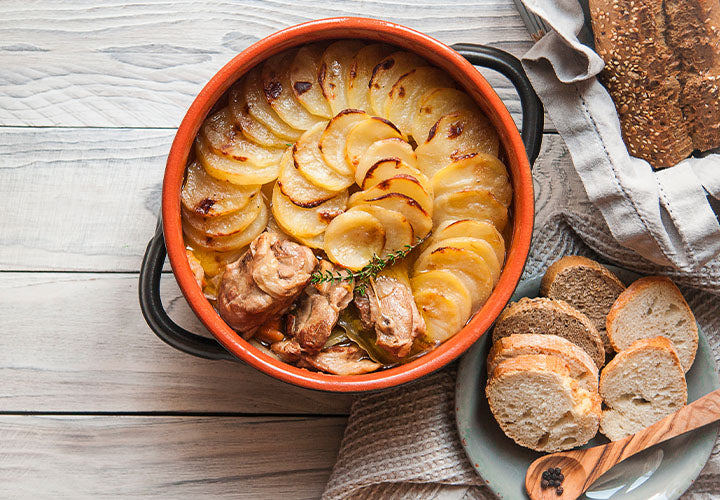
Baeckeoffe
Where to Try Baeckeoffe
Winstub Le Tire-Bouchon in Strasbourg does a version that made me cry happy tears. In Riquewihr, Au Trotthus has a lighter take with more herbs.
Coq au Riesling: The Classy Cousin of Coq au Vin
Same idea as the Burgundian classic, but made with Riesling instead of red wine and finished with cream. The sauce is pale gold, silky, and tastes like pure elegance.
Many places add mushrooms and tiny onions. I love it with spaetzle—the Alsatian egg noodles that soak up every drop.
Pretzels, Knacks, and All the Snacks You’ll Eat Standing Up
- Bretzels fresh from the oven, chewy inside, crackly outside, dusted with coarse salt.
- Knack d’Alsace—skinny hot dogs you eat with mustard and zero shame.
- Presskopf—head cheese that’s actually delicious when house-made.
Street-food game is strong here.
Munster Cheese: Love It or Run Away Screaming
This is not the mild American “muenster.” Real Munster is a washed-rind beast that smells like a barnyard and tastes like heaven if you’re brave. Ripened with Gewurztraminer marc, it’s punchy, creamy, and addictive with cumin seeds and rye bread.
Tip: Let it come to room temperature. And maybe open a window.
Sweet Side of Alsace: Bredele, Kougelhopf, and Pain d’Épices
Alsatian desserts are understated but perfect.
- Bredele: Tiny Christmas cookies in a million shapes—anise, cinnamon stars, buttery sables. Bakeries sell them by the kilo starting in November.
- Kougelhopf: That tall, fluted brioche studded with raisins and almonds. Breakfast of champions with coffee.
- Pain d’épices: Spiced honey bread from Gertwiller (the capital of it). The version with orange peel is my weakness.
During Christmas markets, the air smells like cinnamon and orange. I dare you to leave without buying three kinds of bredele.

Butterbredele
The Wines That Make Everything Better
You can’t talk Alsatian food without the wines—they’re made for each other.
Perfect pairings I swear by:
- Flammekueche → Sylvaner or Pinot Blanc
- Choucroute → Riesling (dry, obviously)
- Munster cheese → Gewurztraminer
- Coq au Riesling → same Riesling you cooked with
- Anything sweet → late-harvest Gewurz or Vendanges Tardives
Crémant d’Alsace is the sparkling you’ll drink at 11 a.m. and nobody judges.
Best Places to Eat Your Way Through Alsace
Strasbourg
- Maison des Tanneurs (classic winstub vibes, killer choucroute)
- Le Clou (cozy, great flammekueche)
- Au Crocodile (fancy—one Michelin star, incredible baeckeoffe)
Colmar & the Wine Route villages
- JY’s in Colmar (two Michelin stars—modern Alsatian, book months ahead)
- Winstub Schwendi in Kaysersberg (terrace overlooking vineyards)
- Any random caveau in Riquewihr—pick one with locals inside
Hidden gem
L’Agneau in Pfaffenheim—family-run, grandmother in the kitchen, prices from another era.
Eating at a Winstub – Eurometropolitan Office of Tourism, Leisure and Congress of Strasbourg
People Also Ask About Alsatian Food
What is the most famous dish in Alsace? Choucroute garnie, hands down. It’s everywhere and for good reason.
Is Alsatian food more French or German? Both, beautifully. It’s the best of each world with zero pretension.
When is the best time to visit for food? December for Christmas markets and bredele overload. October for new wine and harvest menus. Honestly? Any time.
Can you eat Alsatian food if you don’t eat pork? Yes—many places offer fish choucroute (with salmon or haddock), vegetarian flammekueche, and cheese-focused dishes.
Where can I buy real Munster cheese? Directly from a fromagerie or at markets. Look for the AOP label and ask to smell it (you’ll know).
FAQ – Your Alsatian Food Questions Answered
1. What’s the one dish I absolutely must try? Choucroute garnie in a proper winstub. Order the full version and share if you’re scared. You won’t be.
2. Best wine for beginners in Alsace? Start with Pinot Blanc—easy-drinking, food-friendly, impossible to dislike.
3. Are the portions really that big? Yes. Come hungry or plan to take leftovers (though most places frown on doggy bags for choucroute).
4. Where can I learn to cook Alsatian food? Several villages offer half-day classes—look in Riquewihr or Strasbourg. I did one at Cuisine Aptitude and came home able to make decent flammekueche.
5. Is Alsatian food heavy? It can be, but the wines balance everything. And you’ll walk it off wandering those cute villages.
Alsace taught me that food doesn’t have to be complicated to be unforgettable. It just has to be honest, generous, and shared with good people. If you go, eat everything, drink the wine, talk to strangers at the next table. You’ll come home a few pounds heavier and infinitely happier.
And if anyone asks why your suitcase smells like smoked pork and Christmas cookies, just smile and say you’ve been to Alsace.