Nestled in northeastern France, right along the border with Germany, the Alsace region has always felt like a place caught between two worlds. Its half-timbered houses look straight out of a fairy tale, the vineyards roll gently toward the Vosges Mountains, and the food? Well, that’s where the real magic happens. Alsatian cuisine isn’t just French with a twist or German in disguise—it’s a heartfelt fusion born from centuries of shifting borders, family traditions, and a deep love for hearty, comforting meals.
I remember my first trip to Strasbourg years ago. I wandered into a cozy winstub (those traditional Alsatian taverns), ordered what I thought was a simple pizza-like thing, and ended up devouring an entire tarte flambée while chatting with the owner about how his grandmother used to make it. That moment stuck with me: the food here isn’t fancy for fancy’s sake. It’s generous, soul-warming, and tells the story of a region that has balanced French elegance with German robustness for generations.
The Historical Roots of Alsatian Cuisine
Alsace’s location has made it a prize in European conflicts for centuries. Passed back and forth between France and Germany (most notably after the Franco-Prussian War and both World Wars), the region absorbed influences from both sides. Germanic traditions brought hearty pork dishes, sauerkraut, and pretzels, while French touches added finesse with wines, creams, and refined techniques.
This blend creates something unique: robust yet balanced, earthy yet sophisticated. Everyday ingredients like cabbage, potatoes, pork, onions, and eggs form the backbone, elevated by local Riesling or Gewürztraminer wines.
The result is a cuisine that’s unpretentious but deeply satisfying—perfect for long winter evenings or festive family gatherings.
Key Characteristics of Alsatian Food
Alsatian dishes emphasize simplicity and quality local produce. Pork dominates, often in sausages, bacon, or slow-cooked forms. Fermented cabbage (sauerkraut) and potatoes appear frequently, balanced by creamy sauces or sharp cheeses.
German influence shows in hearty portions and fermentation, while French elements bring wine pairings and delicate pastries. Meals often stretch out over multiple courses in winstubs, with convivial sharing at the heart.
Humorously, locals joke that Alsatians eat more for joy than necessity—Montaigne once noted their meals could last hours with many courses!
Iconic Main Dishes of Alsace
Choucroute Garnie
The undisputed queen of Alsatian cuisine, choucroute garnie features fermented sauerkraut slow-cooked with juniper berries, white wine, and a bounty of pork: sausages (like knack d’Alsace), smoked bacon, ham hocks, and sometimes potatoes.
It’s a one-pot wonder that’s been a Sunday staple since the 17th century. Pair it with a crisp Riesling to cut through the richness—the acidity balances the pork perfectly.
Tarte Flambée (Flammekueche)
Often called “Alsatian pizza,” this thin-crust delight is spread with crème fraîche, fromage blanc, onions, and lardons, then baked quickly in a hot oven until the edges blister.
It’s light yet indulgent, meant to be shared and eaten by hand. Variations include sweet versions with apples or savory with Munster cheese.
Baeckeoffe
Meaning “baker’s oven,” this stew combines marinated beef, lamb, pork, potatoes, onions, and carrots, sealed in an earthenware pot with pastry dough and slow-cooked.
Historically, housewives brought it to the village baker on Sundays while at church. The long simmer tenderizes tough cuts into melt-in-your-mouth comfort.
Coq au Riesling
A regional twist on coq au vin, this features chicken braised in Riesling with cream, mushrooms, and bacon.
The wine’s floral notes shine through, creating a silky sauce that’s lighter than the classic red-wine version.
Side Dishes and Accompaniments
Spaetzle
These soft egg noodles, similar to German spätzle, are often pan-fried with butter or served alongside meats.
They’re simple but addictive—chewy and comforting.
Munster Cheese
This washed-rind cheese has a strong aroma but mild, creamy flavor. It’s often melted into dishes or served with cumin.
Bretzel (Pretzels)
Soft, chewy pretzels dusted with coarse salt are a street food staple, perfect with beer or as a snack.
Desserts and Sweets
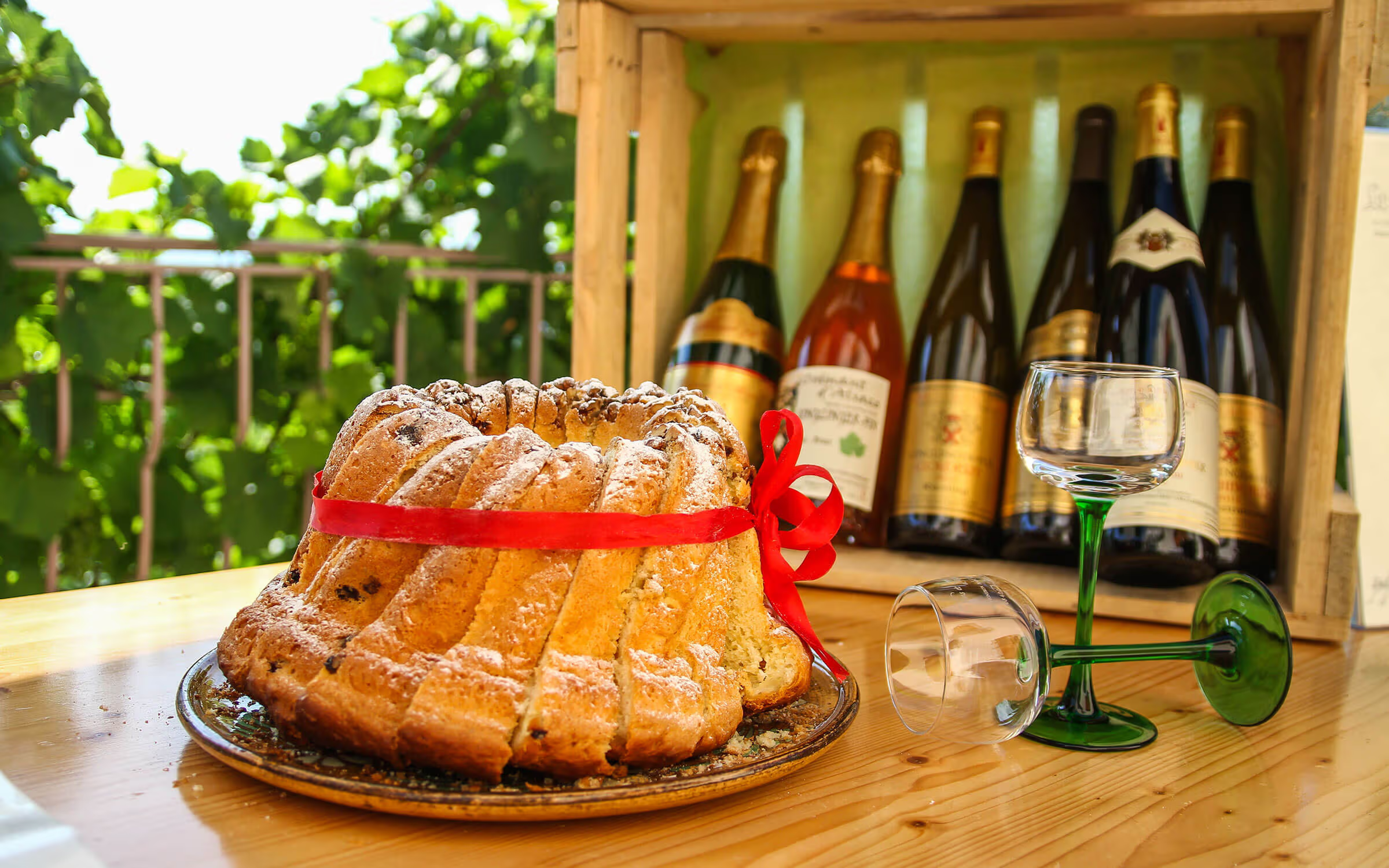
Kougelhopf
This brioche-like cake, baked in a distinctive fluted mold, features raisins and almonds. It’s a breakfast or afternoon treat, especially during holidays.
The shape comes from medieval legends—some say it mimics a turban worn by a generous baker.
Bredele
These spiced Christmas cookies come in varieties like cinnamon stars or buttery speculoos.
Baking them fills homes with warmth during the festive markets.
Tarte aux Pommes Alsacienne
A custardy apple tart with a flaky crust, often flavored with cinnamon or Calvados.
It’s less sweet than American versions, letting the fruit shine.
Wines and Pairings
Alsace excels in white wines: dry Riesling, aromatic Gewürztraminer, Pinot Gris, and Sylvaner.
These pair beautifully with rich dishes—Riesling cuts pork fat, Gewürztraminer complements spicy sauerkraut.
Many wineries along the Route des Vins offer tastings.
Comparison: French vs. German Influences in Alsatian Cuisine
| Aspect | French Influence | German Influence | Alsatian Blend |
|---|---|---|---|
| Base Ingredients | Cream, wine, finesse | Pork, cabbage, potatoes | Pork + cream + wine |
| Cooking Style | Sauces, braising | Fermentation, hearty stews | Slow-cooked with wine accents |
| Signature Dish | Coq au Vin | Sauerkraut | Coq au Riesling, Choucroute |
| Portion Size | Elegant, moderate | Generous | Hearty but balanced |
| Wine Focus | Varied regions | Sweet styles | Dry, varietal whites |
This fusion makes Alsatian food stand out—robust without heaviness.
Pros and Cons of Alsatian Cuisine
Pros
- Incredibly comforting and flavorful
- Excellent wine pairings
- Uses seasonal, local ingredients
- Great for sharing and family meals
- Versatile (pork, fish, veggie options)
Cons
- Can be heavy on pork and fats
- Limited vegetarian choices traditionally
- Strong flavors (e.g., Munster cheese) not for everyone
- Portions sometimes overwhelming
Where to Experience Authentic Alsatian Cuisine
Seek out winstubs for the real deal—rustic taverns like those in Strasbourg or Colmar.
Top spots include:
- Au Pont Corbeau in Strasbourg for classic choucroute
- Wistub Brenner in Colmar for tarte flambée
- Michelin-starred like Auberge de l’Ill for elevated versions
Visit during Christmas markets for bredele and hot mulled wine.
People Also Ask (PAA)
What is Alsatian cuisine known for?
It’s famous for hearty dishes like choucroute garnie, tarte flambée, and baeckeoffe, blending French and German traditions with pork, sauerkraut, and white wines.
Is Alsatian food more French or German?
Neither fully—it’s a unique hybrid, with Germanic hearty elements softened by French techniques and wines.
What is the most famous dish in Alsace?
Choucroute garnie often takes the crown, though tarte flambée is a close contender for everyday appeal.
What wine goes best with Alsatian food?
Dry Riesling or Gewürztraminer— their acidity cuts richness perfectly.
Is Alsatian cuisine heavy?
Yes, many dishes are pork- and potato-based, but balanced by crisp wines and lighter options like flammekueche.
FAQ
What makes Alsatian cuisine different from standard French food?
The strong Germanic influence—pork-heavy dishes, sauerkraut, pretzels—sets it apart from lighter Provençal or Parisian styles.
Can I find vegetarian Alsatian dishes?
Yes, tarte flambée (omit lardons), spaetzle, onion tart, or cheese-focused options work well.
What’s the best time to visit Alsace for food?
Fall for harvest festivals or winter for Christmas markets and hearty stews.
How do Alsatians pair wine with meals?
Locals favor dry whites—Riesling with choucroute, Pinot Gris with fish.
Is Munster cheese really that smelly?
It has a pungent rind, but the interior is creamy and mild—try it with cumin for balance.
Alsatian cuisine is more than food—it’s a warm embrace of history, family, and flavor. Next time you’re craving comfort, skip the usual and dive into this borderland treasure. Your taste buds (and probably your waistline) will thank you.